Commercial Vehicle Blog & Insights

Expert news, buying guides, and technical insights from HAYA Autos Co., Ltd.

Explore Used Trucks

Premium Used Buses Export Guides

Coach, city, school, and mini buses updates for international buyers.

Explore Used Buses

Heavy Duty Truck Maintenance & Tips

Tractor heads and dump trucks operational standards & reviews.

View Tractor Trucks

Genuine Spare Parts & Logistics

OEM-quality parts and secure shipping solutions worldwide.

Browse Spare Parts

Over 15 Years Export Experience

Trusted B2B commercial vehicle exporter from China.

About HAYA Autos

Blog

What Is a Used City Bus and How Can Global Buyers Source One?

What Is a Used City Bus and How Can Global Buyers Source One?

A Used City Bus can offer a practical transport solution for municipalities, private operators, schools, and community services. These vehicles are built for frequent stops, standing passengers, wide doors, and demanding urban routes. Their familiar layout often makes maintenance easier for experienced technicians. Yet every bus has a different history. Some buses spent years climbing steep streets. Others operated in mild climates with careful fleet management. Condition varies widely. Mileage alone cannot reveal the vehicle’s real value. Buyers should examine the chassis, engine, transmission, suspension, brakes, doors, seats, and electrical systems. Water damage and corrosion may remain hidden beneath flooring or body panels. Details matter. Global sourcing requires more than finding a low purchase price. Reliable buyers usually request maintenance records, inspection reports, ownership documents, emissions data, and clear photographs. A physical inspection is strongly recommended before payment. Independent specialists can identify defects that online listings often miss. We have seen attractive buses become expensive projects after overlooked repairs. That possibility deserves honest attention. Export planning also involves vehicle dimensions, loading arrangements, customs documents, insurance, and destination-country requirements. Safety standards, emissions rules, driving regulations, and registration procedures differ between markets. A bus suitable for one city may require modifications elsewhere. This guide explains how international buyers can compare suppliers, evaluate risks, and plan a responsible purchase. It does not replace professional legal, technical, or customs advice. Careful questions usually protect the budget better than optimistic assumptions.
Read more »
Ethan By:Ethan - October 25, 2026
10 Best Used Coach Bus Suppliers Worldwide?

10 Best Used Coach Bus Suppliers Worldwide?

Buying a Used Coach Bus is a practical decision, but it is rarely a simple one. A polished exterior can hide drivetrain wear, water damage, or years of demanding highway service. This guide examines ten respected suppliers worldwide through an operator’s lens. It considers inspection depth, maintenance records, vehicle age, mileage, refurbishment quality, parts access, and after-sales support. Peter Pantuso, a longtime motorcoach industry leader and former American Bus Association president, once observed, “Motorcoaches connect people, places, and opportunities.” That connection depends on dependable equipment. A supplier should explain a bus’s service history, accident record, ownership background, and current mechanical condition. Independent inspections matter. So do engine diagnostics, brake measurements, tire dates, corrosion checks, and a careful road test. Small details reveal much. Look beneath luggage bays. Open the electrical panels. Check seat anchors, air-conditioning performance, restroom plumbing, and emergency equipment. Ask who handled the refurbishment and which components were replaced. Some suppliers provide impressive photographs but limited documentation. That weakness deserves attention. This ranking is useful, not perfect. Market conditions change, and a strong supplier in one region may offer fewer support options elsewhere. Import requirements, local certification, and replacement-part availability can also affect the final cost. Buyers should verify every claim directly. A low purchase price may become expensive after delivery. The best Used Coach Bus supplier is not always the largest. Reliability, transparent communication, and realistic condition reports often matter more than branding. This guide helps buyers compare those qualities before committing valuable fleet funds.
Read more »
Liam By:Liam - October 15, 2026
What Are Used Special Purpose Vehicles?

What Are Used Special Purpose Vehicles?

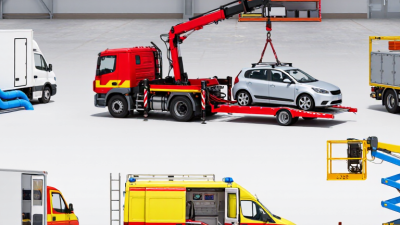
Used Special Purpose Vehicles are vehicles designed for a particular working task, rather than ordinary transportation. Examples include mobile workshops, refrigerated vans, recovery trucks, ambulances, utility vehicles, and construction support units. Their value comes from fitted equipment, body design, and operational capability. A used vehicle may already include shelving, hydraulic systems, lifting gear, temperature controls, or reinforced compartments. That can reduce setup time and initial costs for a business. However, purchasing Used Special Purpose Vehicles requires more than checking mileage and exterior condition. The equipment needs its own inspection. A hydraulic lift may look clean but operate slowly under load. A refrigeration unit may start correctly but fail to maintain a stable temperature. Buyers should review service records, previous applications, chassis condition, electrical systems, and equipment certifications where relevant. A practical inspection should include a cold start, a road test, and a demonstration of every major function. Small faults matter. The vehicle’s history also deserves careful attention. Was it used daily, seasonally, or in harsh environments? Did it carry heavy tools, wet materials, or sensitive cargo? These details influence future maintenance and reliability. Experienced dealers and independent technicians can provide useful evidence, although no inspection removes every risk. Buyers should compare total ownership costs, including insurance, servicing, replacement parts, and operator training. The cheapest option may not be the most dependable. That point is easy to miss. A sound decision combines documented history, specialist advice, and a clear understanding of the vehicle’s intended work.
Read more »
Sophie By:Sophie - October 10, 2026
How to Choose a Used Semi Trailer for Your Tractor?

How to Choose a Used Semi Trailer for Your Tractor?

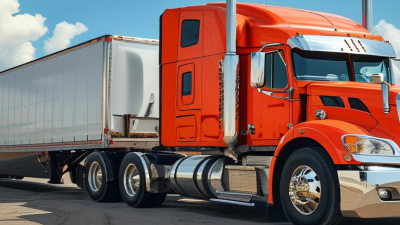
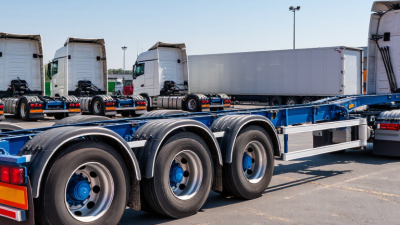
Choosing a Used Semi Trailer for Tractor requires more than comparing prices and photographs. The right trailer must match your tractor’s fifth-wheel height, towing capacity, braking system, and daily cargo demands. A mismatch can create uneven wear, poor handling, and expensive downtime. Begin with the trailer’s frame, suspension, axles, kingpin, and floor. Look closely for fresh paint covering corrosion, uneven welds, bent rails, or cracks near stress points. Inspect the tires for irregular wear, sidewall damage, and mismatched tread depths. Check brake components, lights, air lines, doors, seals, and landing gear. Small defects often reveal neglected maintenance. Service records matter. Ask when the bearings, brakes, tires, and suspension parts were replaced. Confirm the trailer’s dimensions and payload rating against your typical loads. A dry van may suit packaged goods, while a flatbed may serve machinery or construction materials. Refrigerated equipment needs additional checks for insulation, temperature control, and cooling-unit hours. An independent technician should inspect the trailer before purchase. Their report may identify problems that a quick yard inspection misses. Still, no inspection is perfect. Hidden corrosion, tired wiring, or future maintenance needs can appear later. Budget for repairs instead of spending every dollar on the purchase price. Reliable dealers should provide clear ownership records, inspection details, and realistic condition reports. Compare several trailers, verify compatibility with your tractor, and consider total operating cost. A cheaper trailer is not always the better investment. The safest choice is a properly matched trailer with documented maintenance and enough remaining service life for your business.
Read more »

Ethan By:Ethan - October 5, 2026
How to Buy a Used Aerial Platform Truck?

How to Buy a Used Aerial Platform Truck?

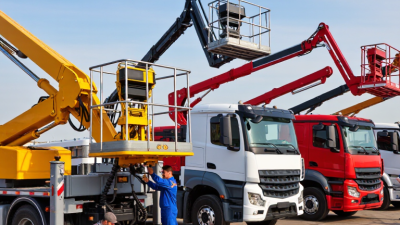
Buying a Used Aerial Platform Truck is not simply a price comparison. It is a careful assessment of safety, service history, working height, and future operating costs. A truck may look polished beside a dealer’s yard, yet worn boom pins or leaking hydraulic hoses can remain hidden. The right purchase begins with evidence, not excitement. Peter Douglas, former chief executive of the International Powered Access Federation, has stated, “Powered access is one of the safest ways to work at height, but only when the equipment is selected, inspected, and operated correctly.” His point matters when comparing second-hand equipment. Ask for inspection records, maintenance invoices, ownership details, and the original load chart. Confirm that the platform’s controls respond smoothly. Test the emergency lowering system. Inspect tires, outriggers, welds, cylinders, electrical wiring, and the truck chassis. Small cracks deserve attention. Engine hours alone can mislead. A low-hour truck may have spent years outdoors, exposed to rain, dust, and freezing temperatures. Conversely, a higher-hour unit with disciplined maintenance may perform more reliably. That is uncomfortable, but realistic. Buyers should arrange an independent inspection before payment. A qualified technician can identify problems that a short demonstration misses. This guide explains how to compare models, verify documentation, estimate repair costs, and negotiate with greater confidence. It also examines payload limits, access requirements, operator visibility, and service support. Do not rush the decision. The cheapest truck can become the most expensive machine in your fleet.
Read more »
Ethan By:Ethan - September 30, 2026
What Is a Mining Dump Truck?

What Is a Mining Dump Truck?

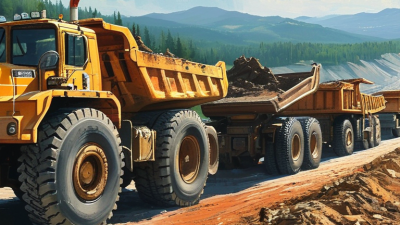
A Mining Dump Truck is a heavy-duty vehicle built to move large volumes of rock, ore, and waste across mine sites. Its job sounds simple: carry material from a loading area to a crusher, stockpile, or dump point. The real work is more demanding. Steep ramps, loose surfaces, dust, and repeated loading cycles test the truck’s frame, tires, brakes, and powertrain every shift. Mining haulage researcher Ali Soofastaei has studied equipment efficiency and haulage operations. A concise paraphrase of a principle reflected in his published work is: “Match the truck’s payload, route, and operating cycle to improve haulage efficiency.” This is an editorial paraphrase, not a verified verbatim quotation. It highlights a practical point: selecting a truck by capacity alone can overlook road conditions, loading equipment, fuel use, and maintenance needs. The scale is immense. Some models carry hundreds of tonnes, while smaller units serve tighter or underground routes. Large rigid-frame trucks commonly work in open pits; articulated models can handle uneven terrain and sharper turns. Their visible features include a high-sided body, oversized tires, access ladders, and a cab designed for long operating hours. Details matter. A poorly maintained haul road can increase tire wear and slow each trip. This guide explains what a Mining Dump Truck is, how its main systems work, where different types are used, and which operating factors affect productivity and service life. It also considers limitations, because no truck performs equally well on every route.
Read more »
Sophie By:Sophie - September 25, 2026
How to Choose a Used Water Tanker Truck in 2026?

How to Choose a Used Water Tanker Truck in 2026?

Choosing a Used Water Tanker Truck in 2026 requires more than checking mileage, paint, and purchase price. The tank, pump, chassis, and maintenance history must work as one reliable system. A clean-looking truck may still hide corrosion beneath the tank, worn PTO components, or cracked discharge hoses. Small defects become expensive when water delivery depends on daily uptime. ACT Research’s used-truck market reporting shows that used commercial vehicle values remain sensitive to age, specification, supply, and maintenance history. That pattern matters for tanker buyers. A cheaper unit may need a pump rebuild, brake work, new tires, and tank certification before entering service. The U.S. Federal Motor Carrier Safety Administration also reports that vehicle maintenance and inspection remain central safety concerns for commercial fleets. Water trucks are not exempt from basic discipline. Jim Park, a veteran truck-maintenance specialist and equipment writer, offers a useful warning: “A used truck is a rolling maintenance record; inspect the record, not just the paint.” Buyers should verify service invoices, engine hours, pump performance, tank material, baffle condition, and previous cargo use. For potable-water applications, applicable sanitary standards and local requirements deserve careful review. The American Water Works Association’s guidance reinforces the importance of protecting water quality during storage and transport. This process is not perfectly predictable. Records can be incomplete. Sellers can overlook defects. A professional inspection may still miss future failures. That is why this guide compares inspection evidence, operating costs, safety condition, and resale risk before recommending any Used Water Tanker Truck.
Read more »
Liam By:Liam - September 20, 2026