Expert news, buying guides, and technical insights from HAYA Autos Co., Ltd.
Explore Used TrucksCoach, city, school, and mini buses updates for international buyers.
Explore Used BusesTractor heads and dump trucks operational standards & reviews.
View Tractor TrucksOEM-quality parts and secure shipping solutions worldwide.
Browse Spare PartsTrusted B2B commercial vehicle exporter from China.
About HAYA AutosUsed Special Purpose Vehicles are vehicles designed for a particular working task, rather than ordinary transportation. Examples include mobile workshops, refrigerated vans, recovery trucks, ambulances, utility vehicles, and construction support units. Their value comes from fitted equipment, body design, and operational capability. A used vehicle may already include shelving, hydraulic systems, lifting gear, temperature controls, or reinforced compartments. That can reduce setup time and initial costs for a business.
However, purchasing Used Special Purpose Vehicles requires more than checking mileage and exterior condition. The equipment needs its own inspection. A hydraulic lift may look clean but operate slowly under load. A refrigeration unit may start correctly but fail to maintain a stable temperature. Buyers should review service records, previous applications, chassis condition, electrical systems, and equipment certifications where relevant. A practical inspection should include a cold start, a road test, and a demonstration of every major function. Small faults matter.
The vehicle’s history also deserves careful attention. Was it used daily, seasonally, or in harsh environments? Did it carry heavy tools, wet materials, or sensitive cargo? These details influence future maintenance and reliability. Experienced dealers and independent technicians can provide useful evidence, although no inspection removes every risk. Buyers should compare total ownership costs, including insurance, servicing, replacement parts, and operator training. The cheapest option may not be the most dependable. That point is easy to miss. A sound decision combines documented history, specialist advice, and a clear understanding of the vehicle’s intended work.
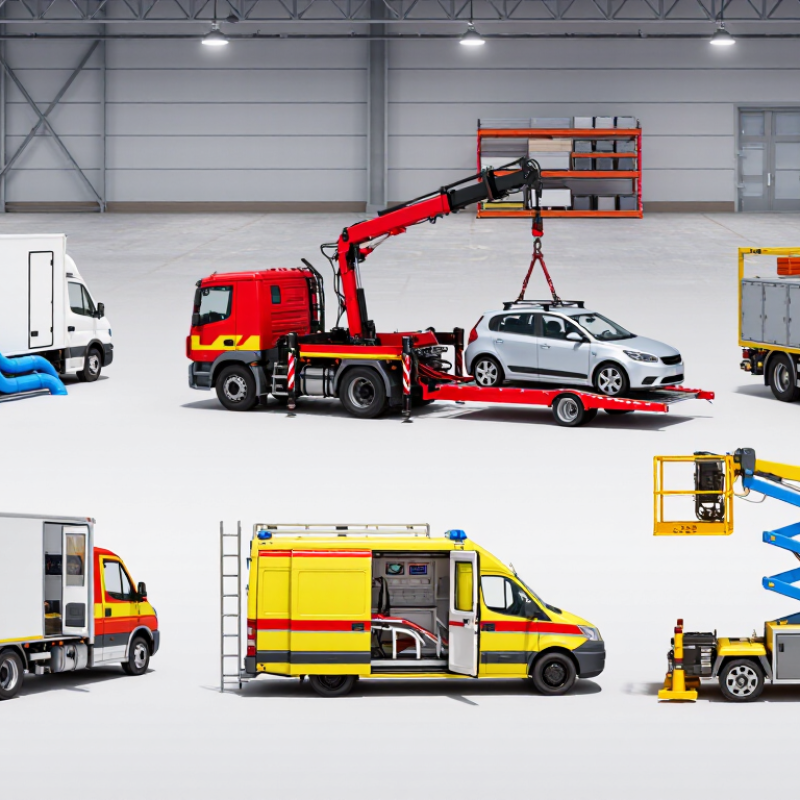
Used special purpose vehicles are pre-owned vehicles modified for one focused job. Examples include access platforms, refrigerated vans, recovery trucks, mobile workshops, and waste collection vehicles. Their value comes from fitted equipment, not only mileage or age. A used unit may already include hydraulic systems, lifting gear, insulated bodies, or warning lights.
The definition is not always clean. Some vehicles are factory-built for specialist work, while others receive conversions later. According to Cox Automotive’s 2024 Used Vehicle Market Report, approximately 36.2 million used vehicles changed hands in the United States during 2023. This large market supports more choices, but specialist equipment needs closer inspection. A vehicle showing 90,000 miles may have spent years idling, lifting, cooling, or carrying heavy loads. The odometer does not tell the whole story. Check service records, structural repairs, hydraulic leaks, tyre wear, electrical faults, and equipment certification. A low purchase price can still become expensive.
Tips: Match the vehicle to the exact task. Measure payload, working height, body dimensions, and access clearance before buying. Request an independent inspection. Test every control, light, pump, and safety device. The European Automobile Manufacturers’ Association reports that commercial vehicles remain essential to freight and service activity across Europe, yet operating conditions vary sharply by sector. That matters when comparing two similar used vehicles. One may have worked gently on local routes; another may have faced constant construction-site use. That distinction is easy to miss, and buyer assumptions can be wrong.
What Are Used Special Purpose Vehicles?
Used special purpose vehicles are built for one demanding job, not ordinary transport. Main types include ambulances, fire apparatus, utility trucks, mobile workshops, vacuum tankers, refrigerated units, and construction support vehicles. Each type carries different risks. An ambulance needs cleanable interiors and reliable medical power. A fire vehicle needs pump performance, hose storage, and stable braking. A utility truck may need an insulated body, crane, or bucket system.
Market data shows why careful selection matters. The U.S. National Fire Protection Association reported about 29,452 fire departments in 2020, creating continuing demand for serviceable emergency vehicles. The European Environment Agency also reports that road transport produces roughly one-fifth of Europe’s greenhouse-gas emissions. That makes fuel efficiency and future emissions rules important when comparing older diesel units. A cheaper vehicle may cost more after repairs. I have seen buyers focus on mileage and miss hydraulic wear, corrosion beneath floor plates, or outdated electrical controls.
Tips: Match the vehicle to its next task. Check service records, chassis hours, body integrity, load limits, and equipment certification. Test pumps, lifts, refrigeration, warning systems, and auxiliary power under working conditions. Ask an independent engineer to inspect it. A clean cab proves little. Also compare local registration and operating requirements before purchase.
Used Special Purpose Vehicles: Key Features and Equipment
Used special purpose vehicles are designed for tasks beyond ordinary transport. They may support construction, waste collection, emergency response, maintenance, or mobile services. Their bodies often include tanks, lifting arms, ramps, storage compartments, or insulated cabins. These features improve productivity, but they also create more inspection points. Small defects matter.
Hydraulic systems deserve close attention. Check hoses for cracks, fittings for leaks, and cylinders for uneven movement. Power take-off units should engage smoothly without unusual noise. A vehicle with a strong engine may still have worn working equipment. That distinction is easy to miss during a short viewing. Some vehicles include onboard generators, compressors, refrigeration units, or adjustable platforms. Test each function under realistic conditions, not only at idle. Bring a qualified technician when possible.
Cabin condition also provides useful evidence. Excessive pedal wear, faded controls, or damaged seats may reveal heavier use than advertised. Review service records, equipment hours, inspection reports, and previous repair invoices. Photographs help, but they cannot confirm mechanical condition. A road test should include braking, steering, loading response, and equipment operation. Do not trust appearance alone. Older units can remain reliable when maintained carefully, while neglected newer units may require costly work. I would leave room in the budget for unexpected repairs, because used specialist equipment rarely behaves perfectly.
Used special purpose vehicles are pre-owned machines built for a specific job, not general transport. They may include utility trucks, mobile workshops, street sweepers, refrigerated units, and agricultural carriers. Their equipment often matters more than their mileage. A well-maintained hydraulic system can outperform a newer vehicle with poor service history.
Construction companies use them for site lighting, material handling, and equipment repair. A mobile workshop can carry tools, compressors, and spare parts between remote projects. Agricultural operators may choose used harvest support vehicles, irrigation units, or livestock transporters. Field conditions are demanding. Mud, dust, and uneven ground quickly reveal weak components.
Municipal departments use special purpose vehicles for waste collection, road maintenance, drainage work, and winter services. Utility contractors rely on cable-laying units, inspection vans, and access platforms. Warehouses and distribution centers may need refrigerated vehicles for temperature-sensitive goods. Emergency and humanitarian teams also use adaptable vehicles for communications, supply delivery, and temporary medical support.
Buying decisions require more than checking the odometer. Inspect the chassis, electrical systems, attachments, and safety controls. Review maintenance records and confirm that replacement parts remain available. A low purchase price can hide expensive repairs. Sometimes, a slightly older vehicle with documented servicing is the wiser choice. Still, records may be incomplete, and inspections can miss hidden fatigue. An independent technician should examine the vehicle before commitment.
What Are Used Special Purpose Vehicles?
Used special purpose vehicles are built for defined jobs, such as rescue work, lifting, cleaning, or mobile maintenance. Their value depends on equipment condition, not mileage alone. A low-mileage vehicle may still have worn pumps, corroded tanks, or overloaded electrical systems.
When buying, match the vehicle to the actual workload. Check payload, operating hours, hydraulic pressure, power take-off use, and body dimensions. A clean cab can hide a tired hydraulic pump. Ask for service invoices, inspection records, calibration certificates, and replacement dates for hoses and lifting components. Missing records should reduce your confidence and your offer.
The 2024 Commercial Vehicle Safety Alliance International Roadcheck recorded 48,761 commercial vehicle inspections. Its findings reinforce one point: maintenance history deserves serious attention. Hire an independent technician to inspect the chassis, frame, brakes, tires, wiring, and specialist equipment. Test every function under realistic load, not just in a parking lot. Also compare parts availability, technician support, insurance costs, and expected downtime. The European Automobile Manufacturers’ Association reports that commercial vehicles remain essential to freight and service activity, making reliability a practical financial issue. I would not trust a polished exterior alone. No inspection predicts every failure, and unusual equipment can be expensive to repair.
| Special-Purpose Vehicle Type | Typical Function | Key Equipment or Features | Important Used-Vehicle Checks | Common Cost Considerations |
|---|---|---|---|---|
| Tipper or Dump Truck | Transports and unloads loose materials such as soil, sand, gravel, and demolition waste. | Hydraulic lifting system, tipping body, reinforced chassis, and tailgate. | Inspect the body floor, hinges, hydraulic cylinders, hoses, PTO, chassis rails, and signs of overloading or corrosion. | Hydraulic repairs, body refurbishment, tyre wear, payload compliance, and insurance classification. |
| Tanker Truck | Carries liquids, including water, fuel, chemicals, or other regulated substances, depending on its specification. | Tank body, pumps, valves, hoses, baffles, emergency equipment, and product-specific fittings. | Verify tank integrity, internal condition, pressure or leak-test records, valve operation, hose condition, and cleaning history. | Tank certification, cleaning, pump maintenance, hazardous-material compliance, and specialist insurance. |
| Refrigerated Vehicle | Maintains a controlled temperature while transporting perishable food, pharmaceuticals, or other temperature-sensitive goods. | Insulated body, refrigeration unit, temperature controller, evaporator, door seals, and insulated flooring. | Check temperature pull-down performance, insulation, door seals, drainage, compressor operation, service records, and temperature logs. | Refrigerant-system repairs, insulation replacement, energy use, calibration, and compliance with applicable food or pharmaceutical rules. |
| Recovery or Tow Truck | Recovers, lifts, or transports disabled, damaged, or improperly parked vehicles. | Winch, boom or wheel-lift, hydraulic controls, towing attachments, warning lighting, and stabilising equipment. | Test the winch and hydraulics under load, inspect cables or straps, examine mounting points, and check chassis modifications. | Winch replacement, hydraulic servicing, attachment certification, payload limits, and commercial-use insurance. |
| Fire and Emergency Vehicle | Supports firefighting, rescue, medical response, or other emergency operations. | Pumps, water tanks, emergency lighting, sirens, specialist storage, communication equipment, and crew seating. | Review operational history, pump performance, tank condition, electrical systems, warning equipment, and specialist-body corrosion. | Decommissioning work, equipment replacement, electrical repairs, inspection requirements, and conversion costs. |
| Mobile Workshop or Service Vehicle | Provides maintenance, repair, inspection, or technical services at customer or work sites. | Tool storage, workbench, auxiliary power, lighting, air compressor, shelving, and secure load restraints. | Inspect shelving mounts, electrical wiring, generator or inverter, flooring, load distribution, and evidence of water ingress. | Removal or replacement of tools, auxiliary-power servicing, payload restrictions, and interior refitting. |
| Vacuum or Sewer-Cleaning Vehicle | Collects, transports, and discharges liquid waste, sludge, or wastewater. | Vacuum pump, waste tank, suction hoses, valves, separators, discharge system, and safety controls. | Check tank corrosion, vacuum performance, pump noise, hose condition, valve sealing, pressure protection, and cleaning records. | Pump overhaul, tank repairs, hose replacement, waste-transport permits, and environmental compliance. |
| Crane or Platform Truck | Loads, lifts, and positions materials at construction, utility, delivery, or maintenance sites. | Hydraulic crane, stabiliser legs, flatbed or platform, lifting accessories, and load-control systems. | Review inspection certificates, examine boom sections and pins, test hydraulics, check stabilisers, and confirm load-chart documentation. | Mandatory lifting inspections, hydraulic repairs, accessory certification, structural testing, and operator training. |
| Street Sweeper | Removes dust, leaves, litter, and debris from roads, paved areas, and public spaces. | Rotating brushes, suction fan, debris hopper, water sprays, dust suppression, and hydraulic controls. | Inspect brushes, suction ducting, hopper corrosion, water system, fan bearings, dust seals, and auxiliary hydraulics. | Brush and fan replacement, water-system repairs, hopper refurbishment, and increased maintenance from intensive municipal use. |
| Used-Special-Purpose-Vehicle Purchase Factor | Determines whether the vehicle is safe, suitable, legal, and financially practical for the intended operation. | Vehicle history, maintenance records, inspection documents, operating specifications, and compatible spare parts. | Confirm identity and ownership, inspect the base vehicle and body separately, obtain an independent assessment, and conduct a functional test. | Purchase price, taxes, registration, inspection, repairs, downtime, fuel, insurance, storage, and operator training. |
It is a pre-owned vehicle modified for one focused job. Examples include access platforms, refrigerated vans, recovery trucks, and mobile workshops. Its fitted equipment may matter more than age or mileage.
Mileage is incomplete evidence. A vehicle may have spent thousands of hours lifting, cooling, idling, or carrying heavy loads. Check engine hours, equipment use, hydraulic wear, and service records.
Test pumps, lifts, refrigeration systems, warning lights, electrical controls, and auxiliary power. Inspect hoses, tanks, body panels, and structural mounting points. A clean cab proves little.
Define the exact task before shopping. Measure payload, working height, body length, turning space, and access clearance. A vehicle can fit the job poorly, even when it looks suitable.
Yes. Ask an independent technician to inspect the chassis, frame, brakes, tires, wiring, and specialist equipment. Test functions under realistic load, not only in a parking area.
Request service invoices, inspection reports, calibration certificates, and replacement dates for hoses or lifting parts. Missing records should lower confidence. Records matter.
Repairs may involve hydraulic pumps, corroded tanks, outdated controls, or overloaded wiring. Also compare parts availability, technician support, insurance, registration, and expected downtime. The cheap option may become expensive.
Local-route use may be gentler than constant construction-site work. Look for uneven tire wear, frame damage, corrosion beneath floor plates, and tired hydraulic components. I might still miss a hidden fault.
Used Special Purpose Vehicles are pre-owned vehicles designed or adapted to perform specific tasks beyond ordinary transportation. They can include mobile workshops, service trucks, emergency response units, utility vehicles, refrigerated vehicles, and other purpose-built platforms. Their value comes from specialized features such as reinforced bodies, lifting systems, storage compartments, temperature-control equipment, hydraulic tools, safety lighting, or customized work areas. These vehicles support industries including construction, agriculture, logistics, public services, maintenance, environmental management, and field operations.
When purchasing a used special purpose vehicle, buyers should carefully assess its intended application, load capacity, mechanical condition, service history, equipment performance, and overall structural integrity. It is also important to check whether the vehicle’s layout and installed systems match current operational needs. Inspection by a qualified technician, confirmation of maintenance records, evaluation of future repair costs, and consideration of operating efficiency can help reduce risks. With proper research, a used vehicle can provide practical specialized capability while offering a more economical alternative to purchasing new equipment.