Expert news, buying guides, and technical insights from HAYA Autos Co., Ltd.
Explore Used TrucksCoach, city, school, and mini buses updates for international buyers.
Explore Used BusesTractor heads and dump trucks operational standards & reviews.
View Tractor TrucksOEM-quality parts and secure shipping solutions worldwide.
Browse Spare PartsTrusted B2B commercial vehicle exporter from China.
About HAYA AutosChoosing a Used Water Tanker Truck in 2026 requires more than checking mileage, paint, and purchase price. The tank, pump, chassis, and maintenance history must work as one reliable system. A clean-looking truck may still hide corrosion beneath the tank, worn PTO components, or cracked discharge hoses. Small defects become expensive when water delivery depends on daily uptime.
ACT Research’s used-truck market reporting shows that used commercial vehicle values remain sensitive to age, specification, supply, and maintenance history. That pattern matters for tanker buyers. A cheaper unit may need a pump rebuild, brake work, new tires, and tank certification before entering service. The U.S. Federal Motor Carrier Safety Administration also reports that vehicle maintenance and inspection remain central safety concerns for commercial fleets. Water trucks are not exempt from basic discipline.
Jim Park, a veteran truck-maintenance specialist and equipment writer, offers a useful warning: “A used truck is a rolling maintenance record; inspect the record, not just the paint.” Buyers should verify service invoices, engine hours, pump performance, tank material, baffle condition, and previous cargo use. For potable-water applications, applicable sanitary standards and local requirements deserve careful review. The American Water Works Association’s guidance reinforces the importance of protecting water quality during storage and transport.
This process is not perfectly predictable. Records can be incomplete. Sellers can overlook defects. A professional inspection may still miss future failures. That is why this guide compares inspection evidence, operating costs, safety condition, and resale risk before recommending any Used Water Tanker Truck.
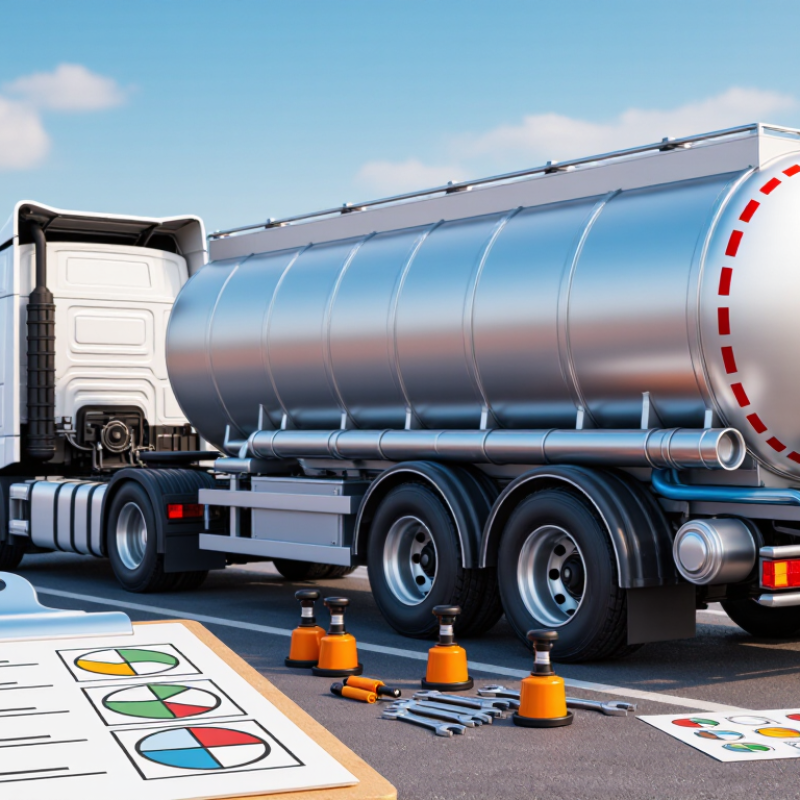
Choosing a used water tanker truck starts with the water delivery job, not the advertised tank capacity. Define the daily volume, delivery frequency, and customer locations. Potable water requires a clean, documented tank history. Construction sites may need different materials and discharge equipment. A 10,000-liter tank can be excessive for narrow residential streets. It can also be too small for remote work. Measure your real demand.
Study the operating conditions closely. Record road surfaces, gradients, turning space, weather, and average travel distance. A truck working on steep rural roads needs dependable braking, suitable tires, and a stable center of gravity. Frequent stops require reliable pumps, valves, hoses, and water meters. Check whether the vehicle can fill from available sources without excessive waiting. Small details matter.
Inspect the truck cold, if possible. Look for tank corrosion, weld repairs, frame cracks, hydraulic leaks, and uneven tire wear. Review service records, inspection documents, and previous water-use history. A clean exterior proves little. I have seen recently painted tanks hide neglected fittings. A professional mechanic should test the engine, transmission, pump, and braking system under load. Do not assume low mileage means low wear. Idle time can damage seals and hoses. Leave room for doubt, especially when records are incomplete.
How to Choose a Used Water Tanker Truck in 2026?
Set a realistic budget before visiting sellers. The purchase price is only the beginning. Reserve money for transport, registration, insurance, taxes, and immediate repairs. A truck that looks inexpensive may need new tires, hoses, valves, or pump seals. My first estimate was too optimistic. I ignored small leaks, and they quickly became expensive maintenance problems. Keep an emergency reserve of at least 10% to 15% of the total budget.
Tips: Ask for service records, ownership documents, and recent inspection reports. Hire an independent mechanic with tanker experience. Check the frame for cracks, rust, and poor welding. Inspect the tank interior for corrosion, residue, and damaged fittings. Test the pump under load, not only while parked. A cold engine start can reveal smoke, weak batteries, or unusual noise.
Ongoing ownership costs deserve careful attention. Fuel use rises when the tank is full or routes include steep roads. Budget for regular oil changes, brake servicing, tire replacement, pump maintenance, and cleaning. Also confirm local safety and registration requirements before purchase. Some costs are easy to overlook, especially downtime during repairs. A cheaper truck may earn less if it spends several weeks off the road. Record expected monthly expenses and compare them with realistic work income. Leave room for mistakes.
| Budget Dimension | Typical 2026 Planning Range | What the Cost Includes | Buying or Budgeting Guidance |
|---|---|---|---|
| 1. Define the Truck Before Setting the Price | |||
| Water tank capacity | 2,000–5,000 US gal (7,570–18,930 L) |
Tank shell, baffles, piping, valves, spray bar, hose reel, and pump capacity. | Choose capacity according to route length, water source availability, legal axle limits, and required delivery volume. A larger tank is not automatically more economical if payload limits are exceeded. |
| Vehicle class | Medium-duty: approximately 19,500–33,000 lb GVWR Heavy-duty: above 33,000 lb GVWR |
Gross vehicle weight rating, chassis payload, axle configuration, and road-use requirements. | Confirm that the fully loaded truck, water, operator, equipment, and tools remain within the legal GVWR and axle-weight limits. |
| Model age and mileage | 5–15 years old Approximately 60,000–250,000 miles |
Age, odometer reading, engine hours, service history, prior operating environment, and number of owners. | Service records and operating hours are more useful than mileage alone. A truck used for short routes may have lower mileage but significantly more engine hours and brake wear. |
| Intended water use | Non-potable, dust suppression, construction, landscaping, or potable service | Tank material, internal coating, cleaning procedure, pump type, backflow protection, and regulatory requirements. | Do not use a general-purpose non-potable tanker for drinking-water service unless the tank, fittings, cleaning process, and documentation meet applicable local requirements. |
| 2. Used Purchase Price Budget | |||
| Older or high-mileage tanker | $30,000–$65,000 | Typically 10–15+ years old, higher mileage, basic tank equipment, and limited documentation. | Allow a larger repair reserve. Inspect the frame, tank mounts, pump, transmission, tires, emissions system, and corrosion before making an offer. |
| Mid-range used tanker | $55,000–$110,000 | Commonly 6–12 years old with moderate mileage, serviceable pump equipment, and a documented maintenance history. | This is often the practical range for buyers seeking a balance between acquisition cost, remaining service life, and manageable repair risk. |
| Late-model used tanker | $100,000–$180,000+ | Generally less than 7 years old, lower mileage, newer emissions technology, and more complete service records. | Higher purchase cost may reduce downtime, but check emissions-system condition and warranty transfer terms before paying a premium. |
| Registration, title, taxes, and delivery | 3%–12% of purchase price | Sales or use tax, title and registration fees, temporary permits, commercial plates, insurance filing, and transport to the operating location. | These costs vary by jurisdiction and should be included in the acquisition budget rather than treated as unexpected expenses. |
| Initial repair reserve | 10%–20% of purchase price | Fluids, filters, batteries, hoses, belts, brakes, tires, pump seals, valve repairs, electrical work, and deferred maintenance. | For an older truck without complete maintenance records, a reserve closer to 20% is prudent. Keep the reserve separate from the purchase offer. |
| 3. Pre-Purchase Inspection and Verification | |||
| Independent mechanical inspection | $350–$900 | Engine, transmission, driveline, steering, suspension, brakes, frame, cooling system, leaks, and diagnostic scan. | Use an independent commercial-vehicle technician. A seller-provided inspection should not replace an impartial assessment. |
| Tank and pump inspection | $250–$1,000 | Tank corrosion, welds, baffles, mounting brackets, manways, valves, pump pressure, flow rate, PTO, and spray equipment. | Fill and operate the tank when possible. A pump that runs without delivering the required flow may need a rebuild or replacement. |
| Diagnostic and fluid analysis | $150–$450 | Electronic fault scan plus optional engine oil, coolant, transmission-fluid, and hydraulic-fluid analysis. | Fluid analysis can identify coolant contamination, abnormal bearing wear, fuel dilution, or excessive internal wear that is not visible during a short test drive. |
| Road test and load test | $150–$600 | Cold start, braking, steering, gear changes, hill performance, temperature stability, PTO operation, and loaded handling. | Test the truck both empty and with a safe partial or full water load. Confirm that the pump and spray system work under operating conditions. |
| Inspection travel and documentation | $250–$1,500 | Travel, third-party records, title verification, lien search, service-history review, and inspection photographs. | Verify the VIN, title status, odometer consistency, ownership history, accident records, maintenance invoices, and any outstanding liens. |
| 4. Ongoing Ownership Costs | |||
| Fuel | $0.25–$0.60 per mile | Fuel consumption commonly around 5–9 miles per gallon, depending on chassis size, payload, idling, terrain, traffic, and fuel price. | Calculate fuel using the truck’s actual loaded fuel economy rather than the empty-road estimate. Frequent idling and short routes can materially increase fuel use. |
| Preventive maintenance | $0.08–$0.18 per mile or $3,000–$8,000 annually |
Oil and filter service, lubrication, inspections, cooling-system service, brake adjustments, belts, hoses, and scheduled repairs. | Budget more for high-mileage trucks, severe-duty operation, dusty construction sites, and vehicles with incomplete maintenance records. |
| Tires | $3,000–$8,000 per set | Commercial tires, mounting, balancing, alignment, and disposal fees. | Actual tire life depends on axle loading, alignment, road surface, tire quality, and maintenance. Inspect date codes and sidewall damage before purchase. |
| Insurance | $4,000–$15,000+ annually | Commercial auto liability, physical damage, cargo or equipment coverage, and location-specific endorsements. | Premiums depend on jurisdiction, vehicle value, driving records, limits, operating radius, claims history, and whether the truck is used on public roads or private sites. |
| Registration and permits | $500–$4,000 annually | Commercial registration, inspections, weight-based fees, permits, fuel-tax filings, and local operating authorizations. | Confirm requirements before purchase, especially for interstate operation, overweight configurations, potable-water delivery, and municipal contracts. |
| Water-system repairs | $1,000–$5,000 annually | Pump seals, hoses, valves, spray nozzles, PTO components, gauges, tank fittings, and corrosion repairs. | Regularly drain, clean, lubricate, and winterize the system. Standing water and freezing conditions accelerate corrosion and component failure. |
| Downtime and contingency reserve | $3,000–$15,000 annually | Emergency repairs, towing, substitute equipment, lost operating days, and unexpected component replacement. | Keep a separate cash reserve because a single transmission, engine, emissions-system, or tank-pump failure can exceed routine maintenance costs. |
| 5. Total Budget Example | |||
| Example mid-range acquisition | $85,000 purchase price | Used medium-duty tanker with a 3,000–4,000 US gal tank, documented service history, and average condition. | Suitable for a buyer who needs a commercially usable truck but wants to limit the capital tied up in a late-model vehicle. |
| Inspection and purchase extras | $5,000–$12,000 | Inspection, travel, registration, taxes, delivery, initial service, and minor repairs. | Obtain written estimates for taxes, transport, insurance, and required permits before finalizing the purchase. |
| Recommended initial cash requirement | $98,500–$114,000 | Purchase price plus acquisition expenses and an initial repair reserve of approximately 10%–20%. | Do not spend the entire available budget on the truck itself. Retaining cash for first-year repairs lowers the risk of operational interruptions. |
| Estimated first-year ownership cost | $25,000–$60,000+ | Fuel, maintenance, insurance, registration, tires, water-system repairs, and contingency costs; excludes financing and driver wages. | The actual total depends mainly on annual mileage, fuel price, utilization, route conditions, insurance profile, and the truck’s mechanical condition. |
| Estimated operating cost excluding financing | $0.55–$1.05 per mile | Fuel, preventive maintenance, tires, repairs, insurance allocation, registration, and water-system upkeep. | Use the lower end for well-maintained trucks with high utilization and favorable routes; use the upper end for older trucks, severe service, low annual mileage, or high downtime risk. |
How to Choose a Used Water Tanker Truck in 2026?
Inspect the chassis before admiring the tank. Look for uneven tire wear, frame cracks, fresh welds, loose suspension parts, and oil around the differential. The Commercial Vehicle Safety Alliance’s 2024 International Roadcheck found brake-system defects represented 25.2% of vehicle out-of-service violations. Check brake chambers, hoses, drums, and warning lights with the engine running. A clean chassis can still hide years of overload damage. Do not guess.
The engine should start without long cranking, heavy smoke, or unstable idle. Record oil pressure, coolant temperature, fault codes, and service history. Test the transmission and power take-off under load, not only in a parking yard. Examine the tank interior for corrosion, pitting, cracked welds, and damaged baffles. Check the manway, drain valve, vents, ladder, and mounting brackets. A small leak may become expensive after repeated vibration and water movement.
Run the pump for at least twenty minutes. Measure actual flow and pressure, then inspect seals, hoses, valves, priming performance, and abnormal vibration. The U.S. Department of Energy reports that pumping systems can account for about 25% of industrial electricity use, highlighting the cost of poor pump efficiency. Tanker pumps are different, but the lesson remains useful. A weak pump can waste fuel and loading time. Bring an independent mechanic and request cold-start testing. Paint is not evidence. Records are.
How to Choose a Used Water Tanker Truck in 2026?
Safety begins with documents, not paint. When inspecting a used water tanker, request the original title, registration, inspection certificates, insurance records, and ownership history. Match the vehicle identification number across every document. The Federal Motor Carrier Safety Administration requires qualifying commercial vehicles to pass periodic inspections under 49 CFR 396.17. Ask for the latest inspection report and repair receipts, not verbal promises. NHTSA’s 2022 Traffic Safety Facts recorded 5,837 deaths in large-truck crashes. That figure makes brakes, tires, lighting, steering, and rollover protection impossible to ignore.
Maintenance records should show dates, mileage, replaced parts, and workshop details. Check for repeated repairs near the same mileage. That may reveal a neglected problem. Examine the tank interior for corrosion, cracked welds, residue, and damaged baffles. For potable-water use, confirm that tank materials and fittings meet the applicable local health requirements, such as NSF/ANSI 61 where required. A clean exterior proves little. Open the access hatch carefully. Look underneath too. Leaking valves, uneven tire wear, and fresh undercoating deserve independent inspection. A professional mechanic should conduct brake, suspension, frame, pump, and pressure tests before payment. I would also verify the seller’s claims with official records, because even honest owners can misremember service dates. The FMCSA Large Truck Crash Causation Study identified brake problems among major critical vehicle factors, reinforcing the value of documented testing.
How to Choose a Used Water Tanker Truck in 2026?
When choosing a used water tanker truck, compare every shortlisted vehicle through the same practical tests. A clean exterior can hide worn brakes, weak pumps, or corrosion beneath the tank. Start with a cold engine. Listen for metallic knocks, uneven idling, or excessive smoke from the exhaust. Ask the seller not to warm the truck before arrival. This simple detail can reveal starting problems.
Test the water system with a full tank, if safely available. Check pump pressure, discharge speed, valves, hoses, and spray controls. Watch for leaks around pipe joints and tank seams. Small leaks matter. Inspect the tank interior with proper lighting. Look for rust flakes, deep pitting, damaged welds, and repairs that seem rushed. Confirm that gauges and flow controls respond consistently. Record the results.
A professional inspector should examine the chassis, suspension, steering, brakes, transmission, PTO, and electrical wiring. Request a road test on level and uneven surfaces. During one inspection, I trusted a quiet engine and ignored worn leaf springs. That shortcut was wrong. The truck later leaned heavily under load. An experienced mechanic may notice details that a buyer misses, including mismatched tire wear or fresh paint over corrosion. Review maintenance records, inspection reports, tank capacity, and service dates. If the seller refuses an independent inspection, treat that refusal as useful evidence.
This sample comparison uses a 100-point inspection scale. Higher scores indicate better results in roadworthiness testing, tank leak integrity, pump performance, corrosion condition, and maintenance documentation. Before purchase, verify every score through a road test, pressure or leak test, service-record review, and independent professional inspection.
Inspect the chassis before admiring the tank. Check tires, frame cracks, welds, suspension, and oil near the differential. Do not guess.
Request a cold start. The engine should avoid long cranking, heavy smoke, and unstable idling. Record oil pressure, temperature, fault codes, and service history. Test the transmission and power take-off under load.
Open the access hatch carefully. Look for corrosion, pitting, cracked welds, residue, and damaged internal baffles. Inspect the drain valve, vents, ladder, brackets, and manway.
Run the pump for at least twenty minutes. Measure real flow and pressure. Check seals, hoses, valves, priming, and vibration. A weak pump can waste fuel and loading time.
Request the original title, registration, inspection certificates, insurance records, and ownership history. Match the vehicle identification number across every document. Ask for repair receipts, not promises.
Check dates, mileage, replaced parts, and workshop details. Repeated repairs near the same mileage may indicate neglect. Records can be incomplete, so verify important claims independently.
Inspect brake chambers, hoses, drums, warning lights, tires, steering, suspension, and rollover protection. A clean chassis may still hide overload damage. Test brakes professionally.
No. Paint is not evidence. Inspect underneath, inside the tank, and around valves. Bring an independent mechanic for brake, frame, pump, and pressure tests. I might still miss something, so keep a repair budget.
Choosing a Used Water Tanker Truck in 2026 requires more than comparing prices. Start by defining your water delivery needs, including daily capacity, travel distance, terrain, water type, and operating conditions. Set a realistic budget that covers the purchase price, inspection, registration, repairs, insurance, fuel, and long-term maintenance. A lower upfront cost may not be economical if the truck requires frequent repairs or has limited working capacity.
Before making a decision, carefully inspect the chassis, engine, transmission, tank body, valves, hoses, and pump system for wear, leaks, corrosion, or previous damage. Confirm that the truck has complete ownership documents, appropriate safety equipment, valid inspection records, and a clear maintenance history. Finally, compare several shortlisted vehicles through road testing and, when possible, a professional inspection. Reviewing performance, service records, operating costs, and repair needs together will help you select a reliable truck that matches your budget and water delivery requirements.