Commercial Vehicle Blog & Insights

Expert news, buying guides, and technical insights from HAYA Autos Co., Ltd.

Explore Used Trucks

Premium Used Buses Export Guides

Coach, city, school, and mini buses updates for international buyers.

Explore Used Buses

Heavy Duty Truck Maintenance & Tips

Tractor heads and dump trucks operational standards & reviews.

View Tractor Trucks

Genuine Spare Parts & Logistics

OEM-quality parts and secure shipping solutions worldwide.

Browse Spare Parts

Over 15 Years Export Experience

Trusted B2B commercial vehicle exporter from China.

About HAYA Autos
0%

A Used City Bus can offer a practical transport solution for municipalities, private operators, schools, and community services. These vehicles are built for frequent stops, standing passengers, wide doors, and demanding urban routes. Their familiar layout often makes maintenance easier for experienced technicians. Yet every bus has a different history.

Some buses spent years climbing steep streets. Others operated in mild climates with careful fleet management. Condition varies widely. Mileage alone cannot reveal the vehicle’s real value. Buyers should examine the chassis, engine, transmission, suspension, brakes, doors, seats, and electrical systems. Water damage and corrosion may remain hidden beneath flooring or body panels. Details matter.

Global sourcing requires more than finding a low purchase price. Reliable buyers usually request maintenance records, inspection reports, ownership documents, emissions data, and clear photographs. A physical inspection is strongly recommended before payment. Independent specialists can identify defects that online listings often miss. We have seen attractive buses become expensive projects after overlooked repairs. That possibility deserves honest attention.

Export planning also involves vehicle dimensions, loading arrangements, customs documents, insurance, and destination-country requirements. Safety standards, emissions rules, driving regulations, and registration procedures differ between markets. A bus suitable for one city may require modifications elsewhere. This guide explains how international buyers can compare suppliers, evaluate risks, and plan a responsible purchase. It does not replace professional legal, technical, or customs advice. Careful questions usually protect the budget better than optimistic assumptions.
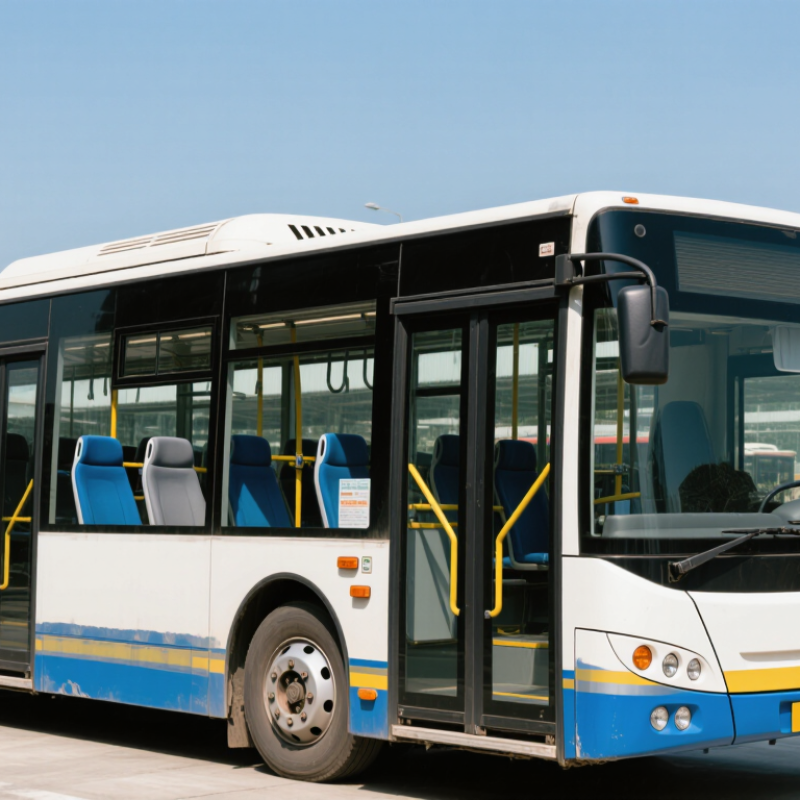
What Is a Used City Bus and How Can Global Buyers Source One?

What Is a Used City Bus?

A used city bus is a passenger vehicle previously operated on scheduled urban routes. It is built for frequent stops, standing passengers, and heavy daily service, not long-distance touring. Typical features include wide doors, low entry steps, handrails, destination displays, wheelchair space, and durable flooring. Some buses use diesel, compressed gas, hybrid systems, or battery-electric drivetrains. Their layouts vary by city and operating rules.

Age alone does not define a bus’s value. Maintenance records, mileage, route conditions, and idle time matter more than a polished exterior. During a professional inspection, buyers should examine the frame for corrosion, the floor for moisture damage, and the doors for smooth operation. Brakes, steering, suspension, emergency exits, heating, ventilation, and accessibility equipment also need functional tests. An electric bus requires extra attention to battery health, charging equipment, and thermal history. Small faults can become expensive quickly.

Global buyers often source used buses through fleet operators, licensed exporters, auctions, or specialized vehicle marketplaces. They should verify ownership documents, service history, export eligibility, and destination-country requirements before payment. A bus may pass a local inspection yet fail another country’s rules. That is easy to underestimate. Photos cannot confirm structural condition, so an independent inspection is worth arranging. Even experienced buyers can miss hidden water damage or repeated overload stress. A transparent seller should provide chassis details, inspection reports, repair invoices, and clear delivery terms.

How Used City Buses Are Classified and Evaluated

What Is a Used City Bus and How Can Global Buyers Source One?

How Used City Buses Are Classified and Evaluated

A used city bus is a passenger vehicle retired from regular urban service. Buyers usually classify it by length, floor height, seating layout, passenger capacity, and propulsion system. Common categories include standard, low-floor, mid-size, and articulated buses. A low-floor model may improve boarding for wheelchair users and older passengers. An articulated bus can carry more people, but it needs wider turning space. Route conditions matter. A compact bus may perform better on narrow streets.

Evaluation should begin with service records, not attractive photographs. Check the chassis for cracks, corrosion, and previous repairs. Inspect the engine, transmission, brakes, suspension, doors, and air-conditioning system. Measure tire wear and examine the electrical panels for heat damage. A short road test can reveal steering vibration, delayed gear changes, or uneven braking. These details often affect operating costs more than the purchase price.

Global buyers should also verify ownership documents, maintenance history, mileage records, and export eligibility. Confirm the bus meets the destination country’s safety, emissions, lighting, and accessibility rules. An independent inspector should record the vehicle identification number and photograph hidden areas. Do not trust one inspection alone. I have seen clean interiors hide expensive suspension problems. Buyers sometimes focus too heavily on age. That can be a mistake. A well-maintained older bus may outperform a newer vehicle with poor records. Spare-parts access and local technician skills deserve equal attention.

What Is a Used City Bus and How Can Global Buyers Source One? - How Used City Buses Are Classified and Evaluated

Evaluation Dimension Common Classification or Range What Global Buyers Should Check
Vehicle Type Standard rigid bus, articulated bus, midibus, or low-floor urban bus Match the vehicle layout, turning radius, passenger flow, and road conditions to the intended route.
Typical Overall Length Midibus: approximately 8–10 m; standard rigid bus: approximately 11–13.5 m; articulated bus: approximately 17–19 m Confirm local maximum vehicle length, turning-circle requirements, shipping dimensions, and depot space.
Passenger Capacity Midibus: roughly 25–50 passengers; standard rigid bus: roughly 60–100; articulated bus: roughly 100–160 Verify the legal seated and standing capacity separately. Capacity changes with seat layout, accessibility equipment, and local regulations.
Floor Configuration High-floor, semi-low-floor, or low-floor Low-floor designs generally provide easier boarding but may require closer inspection of ramps, kneeling systems, suspension, and underbody components.
Powertrain Diesel, compressed natural gas, hybrid-electric, battery-electric, or trolley-electric Check fuel or charging infrastructure, battery condition, propulsion-system diagnostics, parts availability, and technician capability in the destination country.
Typical Service Age Commonly 8–15 years at resale; actual remaining life depends on mileage, climate, maintenance, and operating intensity Request the manufacturing year, first registration date, operating history, mileage records, and decommissioning reason.
Mileage and Operating Hours Urban buses may accumulate approximately 50,000–100,000 km per year, depending on route and operating schedule Compare odometer readings with maintenance invoices, inspection records, telematics data, and wear on pedals, seats, steering components, and doors.
Emission Classification Depends on the original market and production year; examples include Euro III, Euro IV, Euro V, and Euro VI diesel classifications Confirm the exact engine emission certificate and whether it satisfies import, registration, and low-emission-zone rules in the destination market.
Body and Frame Condition Condition normally rated as excellent, good, fair, or requiring refurbishment Inspect chassis corrosion, structural repairs, water ingress, panel alignment, roof condition, accident damage, and evidence of flood or fire exposure.
Engine and Transmission Original, rebuilt, replaced, or requiring overhaul Carry out a cold start, road test, diagnostic scan, fluid analysis, cooling-system inspection, and transmission shift assessment.
Suspension, Steering, and Brakes Air suspension and air-operated braking systems are common on full-size urban buses Check air leakage, compressor performance, brake response, brake-disc or drum wear, steering play, wheel alignment, and suspension height control.
Doors and Accessibility Single, double, or multiple passenger doors; optional wheelchair ramp or lift Test door cycles, sensors, emergency releases, ramps, lifts, priority seating, handrails, and wheelchair restraint areas.
Electrical and Passenger Systems Lighting, destination displays, public-address system, passenger counters, CCTV, ticketing equipment, and climate control Request a complete electrical-function test and identify systems that may require software, voltage, language, or communications adaptation.
Climate Control Heating, ventilation, and air-conditioning systems vary by climate specification Test cooling output, heater operation, refrigerant condition, compressor noise, ventilation fans, and suitability for the destination climate.
Documentation Registration certificate, ownership record, service history, inspection certificate, export documents, and maintenance manuals Ensure the vehicle identification number, engine number, ownership chain, mileage, and service records are consistent across all documents.
Pre-Purchase Inspection Visual inspection, mechanical inspection, electronic diagnostics, road test, and document verification Use an independent inspector whenever possible and require dated photographs, diagnostic reports, defect lists, and a clear acceptance standard.
International Shipping Roll-on/roll-off shipping or containerized transport, subject to vehicle dimensions and carrier requirements Budget for inland transport, port handling, lashing, marine insurance, customs clearance, duties, taxes, and destination delivery.
Total Acquisition Cost Purchase price plus inspection, refurbishment, shipping, customs, registration, adaptation, and commissioning Compare total landed cost rather than purchase price alone, and reserve a contingency budget for age-related repairs and compliance work.
Buyer Suitability Rating A: ready for service; B: minor refurbishment; C: major refurbishment; D: parts or non-operational use Base the rating on structural integrity, powertrain condition, compliance status, parts support, and the buyer’s available repair resources.

Note: Specifications and operating ranges are typical industry values. The exact condition, legal status, equipment, and import eligibility of each used city bus must be verified through independent inspection and official documentation.

What Specifications Should Global Buyers Compare?

A used city bus is more than a large vehicle with low mileage. Global buyers should compare its operating history, maintenance records, and current condition together. A bus showing 420,000 kilometers may be reliable if inspections were consistent. Another with 180,000 kilometers may hide neglected suspension damage. Records matter.

Start with dimensions and passenger capacity. Check overall length, width, height, turning radius, and door arrangement against local routes. Measure the interior aisle, step height, wheelchair area, and standing capacity. Small differences can affect depot access and passenger flow. Confirm the seating layout, emergency exits, handrails, and accessible ramp before purchase.

Powertrain specifications require careful comparison. Review engine type, displacement, transmission, fuel system, and emission classification. The vehicle may meet its original standard but fail your destination’s current requirements. Ask for cold-start videos, diagnostic reports, oil analysis, and service invoices. Inspect smoke, fluid leaks, brake response, tire wear, and corrosion around the frame. Request the axle rating and suspension type, especially for uneven roads.

Climate and electrical equipment are easy to overlook. Compare heating output, air-conditioning capacity, battery age, alternator rating, and door-control operation. Test every display, interior light, camera, and warning alarm. In my experience, a quiet engine does not prove a healthy bus. I once underestimated corrosion hidden beneath floor panels. That mistake was expensive. Buyers should allow an independent mechanic to inspect the vehicle and verify serial numbers, ownership documents, import requirements, and delivery costs before payment.

What Is a Used City Bus and How Can Global Buyers Source One?

Used city buses are pre-owned transit vehicles commonly sold after fleet renewal, route changes, or contract completion. Global buyers should compare passenger capacity, vehicle length, accessibility equipment, door configuration, fuel type, emissions compliance, and maintenance records before sourcing.

The chart shows representative passenger-capacity ranges for common used city-bus classes. Values are based on typical public-transit layouts: actual capacity varies according to seat spacing, standing area, wheelchair space, local safety rules, and door configuration. Buyers should also verify service history, odometer records, right- or left-hand-drive configuration, export requirements, and parts availability.

How to Find and Verify Used City Bus Suppliers

A used city bus is a previously operated passenger vehicle designed for frequent urban routes. It may have low floors, wide doors, wheelchair space, and heavy-duty suspension. Global buyers should assess its remaining service life, not only its purchase price. A bus with 500,000 kilometers may still work well if maintenance records are complete. Mileage alone proves little.

Finding reliable suppliers requires patient document checking. Search through established commercial directories, transport networks, and verified trade platforms. Ask each supplier for the vehicle identification number, ownership history, export documents, and maintenance records. Request clear photos of the engine bay, chassis, underbody, tires, floor, and driver controls. A live video inspection is useful. Still, it is not proof.

Check whether the supplier’s company details match its quotation, bank information, and registration records. Ask for references from previous international buyers, then contact those buyers independently. An inspection by a qualified mechanic can reveal corrosion, oil leaks, brake wear, or hidden accident repairs. The inspection should include a cold start, road test, diagnostic scan, and measurement of emissions where required. Keep every promise in a written contract, including specifications, delivery terms, spare parts, and refund conditions. Be careful with unusually low prices. They may reflect urgent disposal, incomplete records, or expensive repairs ahead. Even careful buyers can miss defects, especially when distance limits access. That risk deserves an inspection budget and extra time.

How to Purchase, Ship, and Import a Used City Bus

A used city bus is a retired public-transport vehicle sold for renewed service elsewhere. Global buyers can source one through licensed exporters, municipal auctions, or commercial fleet operators. In procurement work, I check the chassis number, ownership documents, maintenance history, and current operating status before discussing price. Paperwork matters. Ask for clear photographs of the engine bay, underbody, interior, tires, and dashboard. A low purchase price may hide expensive repairs.

Before signing arrange an independent inspection near the bus. The inspector should test the brakes, steering, suspension, transmission, doors, lights, wheelchair ramp, and emergency equipment. Check the vehicle dimensions and total weight against local road limits. Do not trust photographs alone. A clean interior can hide corrosion beneath the floor. I have seen buyers overlook air-conditioning faults because the seats looked nearly new. Build a repair allowance into the budget, even when records appear complete.

Shipping begins with accurate measurements and a suitable freight method. A working bus may travel by roll-on/roll-off service, while a non-running unit may require specialized loading. Confirm port charges, marine insurance, inland delivery, and storage fees in writing. Before departure, prepare the commercial invoice, title or export certificate, packing details, and bill of lading. Import approval may also require emissions, safety, age, and roadworthiness checks. Requirements differ by country, so consult customs authorities and a qualified import agent. One planning mistake remains common: estimating only the purchase price and freight. Unexpected taxes, inspections, or local modifications can change the final cost sharply.

FAQS

What is a used city bus designed for?

It served scheduled urban routes before resale. Wide doors, handrails, low steps, and standing areas support frequent stops. It is not mainly built for long-distance touring.

Which factors affect a used city bus’s value?

Maintenance records, mileage, route conditions, and idle time matter greatly. A polished exterior proves little. Hidden corrosion may cost more than expected.

What should an inspection examine?

Check the frame, floor, doors, brakes, steering, suspension, and emergency exits. Test heating, ventilation, lights, and accessibility equipment. Look underneath.

What extra checks does an electric bus require?

Inspect battery health, charging equipment, and thermal history. Review charging records carefully. Battery repairs can become expensive quickly.

Where can buyers source used city buses?

Buyers may contact fleet operators, licensed exporters, municipal auctions, or vehicle marketplaces. Verify ownership and export documents before payment. Paperwork matters.

Why is an independent inspection important?

Photos cannot reveal structural damage or moisture beneath the floor. An inspector can test mechanical systems directly. Even experienced buyers miss hidden faults.

How should buyers prepare a shipping plan?

Measure the bus accurately and choose suitable freight. A running bus may use roll-on/roll-off shipping. A non-running bus needs specialized loading.

Which costs should the import budget include?

Include freight, port charges, insurance, inland delivery, storage, taxes, inspections, and modifications. The purchase price is only one part. I sometimes underestimate small fees. That mistake can grow.

Conclusion

A Used City Bus is a pre-owned passenger vehicle designed for regular urban and suburban transportation. This guide explains how these buses are classified by factors such as vehicle age, service history, seating capacity, power system, accessibility features, mileage, and overall mechanical condition. Global buyers will learn how to evaluate important specifications, including engine or motor performance, fuel efficiency, emissions standards, dimensions, passenger capacity, transmission, safety equipment, maintenance records, and suitability for local roads and climate.

The article also provides practical guidance on finding and verifying reliable Used City Bus suppliers. Buyers should review company information, request clear photos and inspection documents, confirm ownership and vehicle history, and arrange an independent inspection when possible. It further outlines the main steps for purchasing, preparing export documents, selecting suitable shipping methods, estimating logistics costs, and completing lawful import procedures. Careful comparison and professional verification can help buyers reduce risks and choose a bus that meets operational, technical, and regulatory requirements.

Ethan

Ethan

Ethan is a dedicated marketing professional with an exceptional understanding of our company’s products and services. With years of experience in the industry, he has honed his expertise in crafting persuasive marketing strategies that resonate with our target audience. Ethan takes pride in......