Commercial Vehicle Blog & Insights

Expert news, buying guides, and technical insights from HAYA Autos Co., Ltd.

Explore Used Trucks

Premium Used Buses Export Guides

Coach, city, school, and mini buses updates for international buyers.

Explore Used Buses

Heavy Duty Truck Maintenance & Tips

Tractor heads and dump trucks operational standards & reviews.

View Tractor Trucks

Genuine Spare Parts & Logistics

OEM-quality parts and secure shipping solutions worldwide.

Browse Spare Parts

Over 15 Years Export Experience

Trusted B2B commercial vehicle exporter from China.

About HAYA Autos
0%

Buying a Used Aerial Platform Truck is not simply a price comparison. It is a careful assessment of safety, service history, working height, and future operating costs. A truck may look polished beside a dealer’s yard, yet worn boom pins or leaking hydraulic hoses can remain hidden. The right purchase begins with evidence, not excitement.

Peter Douglas, former chief executive of the International Powered Access Federation, has stated, “Powered access is one of the safest ways to work at height, but only when the equipment is selected, inspected, and operated correctly.” His point matters when comparing second-hand equipment. Ask for inspection records, maintenance invoices, ownership details, and the original load chart. Confirm that the platform’s controls respond smoothly. Test the emergency lowering system. Inspect tires, outriggers, welds, cylinders, electrical wiring, and the truck chassis. Small cracks deserve attention.

Engine hours alone can mislead. A low-hour truck may have spent years outdoors, exposed to rain, dust, and freezing temperatures. Conversely, a higher-hour unit with disciplined maintenance may perform more reliably. That is uncomfortable, but realistic. Buyers should arrange an independent inspection before payment. A qualified technician can identify problems that a short demonstration misses.

This guide explains how to compare models, verify documentation, estimate repair costs, and negotiate with greater confidence. It also examines payload limits, access requirements, operator visibility, and service support. Do not rush the decision. The cheapest truck can become the most expensive machine in your fleet.
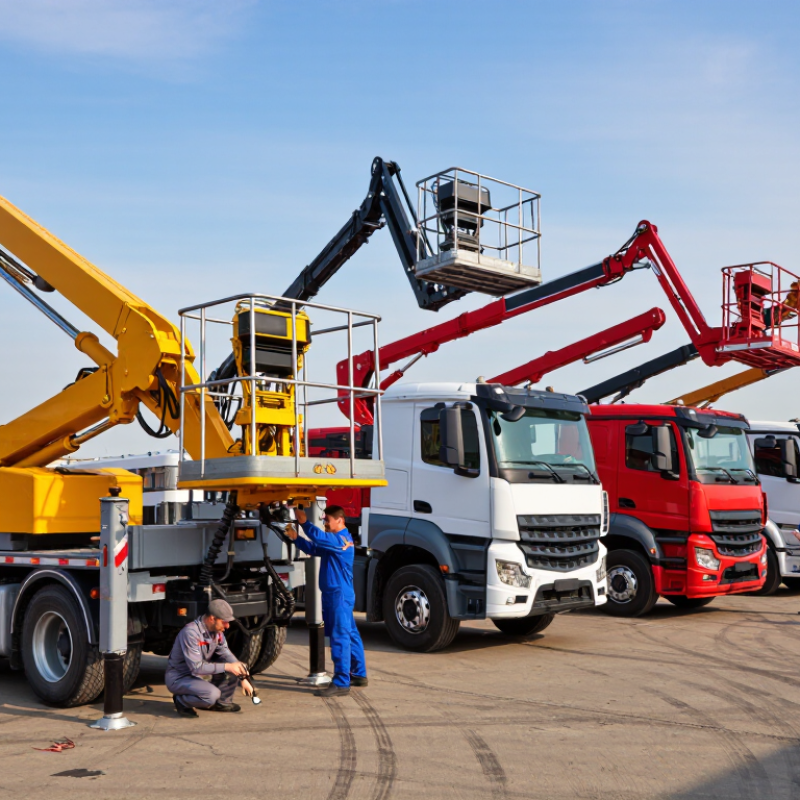
How to Buy a Used Aerial Platform Truck?

Define Your Work Requirements and Budget

How to Buy a Used Aerial Platform Truck?

Define Your Work Requirements and Budget

Before viewing a used aerial platform truck, describe the work in measurable terms. Record the required platform height, horizontal outreach, and lifting capacity. A truck reaching 20 meters may still fail if the basket cannot carry two workers and their tools. Check whether jobs occur on paved streets, construction sites, narrow lanes, or uneven ground. Indoor work may require compact dimensions and low emissions. Outdoor work demands stronger tires, stabilizers, and weather-resistant controls.

Review your daily workload honestly. Estimate operating hours, travel distance, and setup frequency. A machine used every day needs better reliability than one used occasionally. Measure storage space and access gates before buying. Small details matter. I have seen buyers focus on height and overlook the truck’s turning radius. That mistake can create expensive transport problems.

Set a complete budget, not just a purchase price. Include delivery, inspection, registration-related expenses, insurance, routine servicing, tires, hydraulic hoses, and unexpected electrical repairs. Ask for maintenance records, hour-meter readings, load-test reports, and recent safety inspections. Compare the records with the machine’s physical condition. Fresh paint can hide corrosion. A low price can be a false victory. Leave an emergency reserve, even when the seller seems trustworthy. A qualified technician should inspect the chassis, boom, platform controls, outriggers, leaks, and emergency lowering system before payment.

Choose the Right Used Aerial Platform Truck Type

Choosing the right used aerial platform truck starts with the worksite, not the asking price.

Truck-mounted units suit road maintenance, utility access, and frequent travel between locations. Van-mounted platforms fit urban service work, narrow streets, and lighter daily duties.

Self-propelled models offer better maneuverability on construction sites, but they may require separate transport.

IPAF’s 2024 Global Safety Report recorded 118 powered-access fatalities worldwide during 2023. Falls, electrocution, and overturning remained serious hazards. This data supports a practical decision: match platform type, working height, outreach, and ground conditions before inspecting cosmetics.

A compact truck with limited outreach can fail badly on a sloped roadside.

Check the load chart carefully.

During inspection, test the PTO, boom controls, emergency lowering system, and outriggers. Look for hydraulic oil around cylinders and cracked welds near mounting points. Review service records, operating hours, inspection certificates, and previous structural repairs.

IPAF’s Global Powered Access Rental Market Report also shows continued fleet investment, making newer used units attractive, but age alone proves little.

A 12-metre platform may be enough. Maybe not.

Choose a truck with suitable payload after adding tools, workers, and fuel. Confirm the chassis remains stable under that real load. For electrical work, require documented insulation performance and professional verification.

I would reject a clean-looking unit with missing records. Paint is cheap; hidden fatigue is not. The wrong type often costs more through setup delays, transport, and restricted access.

Inspect the Truck, Platform, and Safety Systems

How to Buy a Used Aerial Platform Truck?

Inspect the truck before trusting the platform. Check the chassis for cracks, fresh welds, oil leaks, and uneven tire wear. Look beneath the bed, not only at the paint. A clean repaint can hide corrosion. Confirm service records, hours, inspection dates, and hydraulic maintenance. Start the engine cold. Listen for delayed pressure buildup or unusual pump noise. Test the PTO, outriggers, brakes, steering, and emergency controls. A qualified mechanic should inspect the truck independently. My practical rule is simple: never accept a seller’s inspection as your only evidence.

The platform needs closer attention. Examine boom sections, pins, bushings, hoses, welds, guardrails, gates, and the harness anchor point. Operate every movement slowly, then test the upper and lower controls. Confirm emergency lowering works without hesitation. Check overload, tilt, interlock, and outrigger systems. These small switches prevent serious mistakes.

The U.S. Occupational Safety and Health Administration recorded 395 fatal falls among 1,069 construction deaths in 2022. That figure shows why safety systems deserve more attention than cosmetic condition. The IPAF Global Safety Report 2024 also lists falls, overturns, and entrapment among recurring powered-access fatalities.

Do not ignore minor alarms. I have seen buyers focus on reach height and forget ground stability. That is an expensive oversight. Have a competent inspector verify the load chart and final function test before purchase.

Verify Maintenance Records, Ownership, and Legal Compliance

How to Buy a Used Aerial Platform Truck?

Maintenance records should be your first serious check. Ask for service invoices, inspection reports, and hydraulic system repairs. Match each document with the truck’s serial number and hour meter. A clean folder does not prove perfect care. Compare recorded hours with pedal wear, seat damage, and control-panel condition. Look beneath the boom for fresh oil, cracked hoses, or welded structural repairs. These details often reveal use that paperwork does not.

Confirm ownership before discussing payment. Request the current registration, title, and a valid transfer record. Check whether the seller’s name matches the documents. Ask if any finance claim, storage charge, or ownership dispute is attached to the vehicle. Use an official registry or qualified professional where available. A low price is not helpful if ownership remains unclear. I would rather lose a promising deal than inherit someone else’s paperwork problem.

Legal compliance needs equal attention. Check the latest inspection status, road-registration requirements, emissions rules, and local operating permits. Review the load chart, safety labels, emergency-lowering system, and operator manual. A qualified inspector should test emergency controls and platform movement under safe conditions. Requirements differ by location, and online advice can be incomplete. I once underestimated transport rules because the truck looked road-ready. That assumption was careless. Confirm dimensions, axle limits, insurance needs, and inspection deadlines with the relevant authority before purchase.

Compare Prices, Negotiate Terms, and Complete the Purchase

Buying a used aerial platform truck requires more than comparing advertised prices. I compare at least three similar units, matching platform height, reach, payload, engine hours, and service history. The 2024 Used Equipment Market Report from EquipmentWatch shows why timing matters: used construction equipment values can shift with supply, demand, and financing conditions. A low price may reflect worn tires, hydraulic leaks, missing inspections, or expensive transport.

Check the machine cold, not after the seller warms it. Watch the boom extend slowly, listen for pump noise, and inspect welds around the basket and chassis. Ask for maintenance invoices, annual inspection records, ownership documents, and the hour-meter history. IPAF’s 2024 Global Safety Report recorded 118 work-related fatalities in 2023. That figure makes safety verification more important than cosmetic appearance. A clean paint job proves little.

Negotiate using documented defects. Request a lower price, fresh hydraulic service, replacement tires, or delivery included in writing. Keep a repair allowance for unknown faults; I usually reserve 10% to 15% of the purchase budget. That estimate can still be wrong. The American Rental Association’s 2024 forecast placed U.S. equipment-rental revenue near $78.7 billion, showing strong market activity but also firm demand. Before paying, use an independent inspection and make the agreement conditional on acceptable test results. Confirm the serial number, payment schedule, warranty limits, delivery date, and cancellation terms. Do not rush the deposit.

FAQS

What should I inspect on the truck chassis?

Look for cracks, fresh welds, oil leaks, corrosion, and uneven tire wear. Check beneath the bed, not only the painted surfaces. A clean repaint can hide rust.

How can I evaluate the engine and hydraulic system?

Start the engine cold. Listen for delayed pressure buildup, unusual pump noise, and unstable operation. Check hydraulic hoses, cylinders, fittings, and visible leaks. Test the power take-off and all related controls.

Which platform components need close inspection?

Examine boom sections, pins, bushings, hoses, welds, guardrails, gates, and the harness anchor point. Move the platform slowly in every direction. Small cracks matter.

How do I test the platform safety systems?

Test upper and lower controls, emergency lowering, overload protection, tilt sensors, interlocks, and outrigger functions. Do not ignore minor alarms. One overlooked switch can create a serious risk.

Should a mechanic inspect the vehicle before purchase?

Yes. Use an independent, qualified mechanic or inspector. Never rely only on the seller’s inspection. I once trusted a clean presentation too quickly. That was a poor judgment.

How can I verify the maintenance records?

Request service invoices, inspection reports, hydraulic repairs, and operating-hour records. Match documents with the serial number and hour meter. Compare the hours with pedal wear, seat damage, and control-panel condition.

What ownership documents should I check?

Confirm the current registration, title, and valid transfer record. The seller’s name should match the documents. Check for finance claims, storage charges, or ownership disputes. A low price is not enough.

Which legal and transport requirements should I confirm?

Check inspection status, road registration, emissions rules, operating permits, insurance needs, and inspection deadlines. Confirm dimensions and axle limits with the relevant authority. Online advice may be incomplete. Verify locally.

Conclusion

Buying a Used Aerial Platform Truck begins with clearly defining your work requirements, including lifting height, platform capacity, terrain, operating environment, and expected usage. Set a realistic budget that covers not only the purchase price but also transportation, inspections, insurance, repairs, and future maintenance. Based on these needs, compare suitable truck types, such as models designed for construction, utility work, facility maintenance, or specialized access tasks.

Before making an offer, carefully inspect the vehicle, platform, hydraulic components, controls, tires, electrical systems, emergency features, and structural condition. Request complete maintenance and repair records, confirm ownership details, check identification information, and ensure the truck meets all applicable safety and registration requirements. Compare similar vehicles and consider age, mileage, working hours, condition, and included equipment when evaluating the price. Negotiate clearly, document all agreed terms, arrange an independent inspection when possible, and complete the purchase only after verifying that the paperwork, safety systems, and delivery conditions are satisfactory.

Ethan

Ethan

Ethan is a dedicated marketing professional with an exceptional understanding of our company’s products and services. With years of experience in the industry, he has honed his expertise in crafting persuasive marketing strategies that resonate with our target audience. Ethan takes pride in......