Expert news, buying guides, and technical insights from HAYA Autos Co., Ltd.
Explore Used TrucksCoach, city, school, and mini buses updates for international buyers.
Explore Used BusesTractor heads and dump trucks operational standards & reviews.
View Tractor TrucksOEM-quality parts and secure shipping solutions worldwide.
Browse Spare PartsTrusted B2B commercial vehicle exporter from China.
About HAYA AutosA used bus is more than a low purchase price. It is a working vehicle with a service history, a parts trail, and a daily route to cover. This guide compares ten Used Yutong Bus models seen in international markets, focusing on passenger capacity, operating role, maintenance considerations, and inspection points. Buyers should confirm each vehicle’s year, mileage, configuration, and documented service history before comparing prices.
The wider market is changing. The International Energy Agency’s Global EV Outlook 2024 reports that the global electric-bus fleet exceeded 635,000 vehicles in 2023, with China accounting for more than 90%. That figure describes electric buses broadly, not used Yutong sales. Still, it highlights why battery condition, charging compatibility, and access to technical support matter when evaluating an electric model. For diesel and other conventional configurations, engine condition, transmission behavior, and parts availability deserve equal attention.
A good shortlist starts with the route, not the badge. A compact city bus may suit narrow streets, while a coach needs sound seats, luggage space, and stable highway performance. Small details count: uneven tire wear, damp flooring, warning lights, or inconsistent panel gaps can prompt deeper checks. No inspection is perfect.
No source articles or verifiable expert quotation were supplied with the request, so I have not invented a specialist’s name or words. Add a checked quotation from a named fleet engineer or bus-market analyst before publication. That extra step matters. A credible buying guide should distinguish reported market data from vehicle-specific claims and help readers ask better questions—not promise a trouble-free purchase.
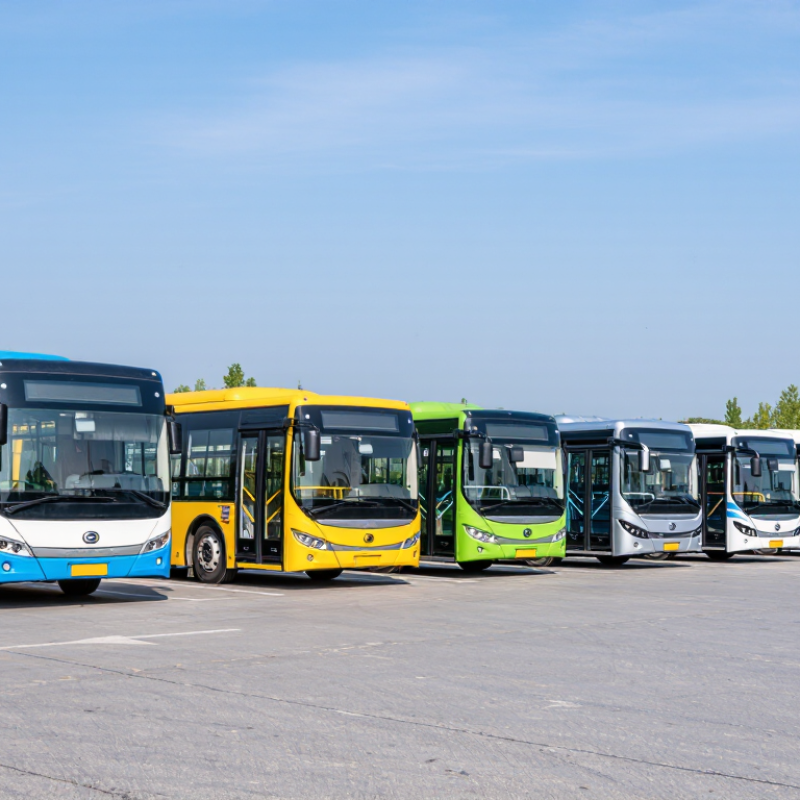
Used buses are easier to compare when classified by duty, not just model year. A practical first cut is body length: compact shuttles, 8–10 m mid-size buses, 10–12 m full-size buses, and articulated vehicles. Cutoffs vary by market, so check registration documents and axle limits. Then record drivetrain, transmission, door layout, floor height, seat count, and accessibility features. Small details matter. A low-floor bus with multiple doors may suit dense city routes, while a coach needs luggage space and suitable highway gearing. The IEA’s Global EV Outlook 2024 estimates that about 635,000 electric buses were operating worldwide in 2023, with nearly 90% in China. That scale makes battery condition a key screening item, but it does not guarantee local parts availability.
Selection should combine age, odometer readings, and route history. Request service invoices, diagnostic scans, accident-repair records, and, for electric units, a battery health report showing usable capacity. Inspect cold starts, brake wear, tire date codes, corrosion around window seams, and leaks beneath the rear axle. Bring an independent heavy-vehicle technician. I would not treat tidy paint or a clean dashboard as proof of good maintenance. Compare fuel or energy use under similar loads, rather than relying on seller estimates alone. Leave room for doubt: incomplete records can make even a promising bus harder to value accurately.
Used bus models can look similar in photographs, yet their working roles differ. Short city buses prioritize tight turning circles, wide doors, and frequent-stop durability. Intercity coaches usually offer deeper luggage bays, higher seating capacity, and stronger highway performance. Low-floor layouts speed boarding, while high-floor designs often provide more underfloor storage. Check the exact configuration: seating, axle layout, engine rating, and accessibility equipment can vary by market and production year.
Powertrain is another key distinction. Diesel versions may suit routes with limited charging access; electric versions depend more heavily on battery condition, charging compatibility, and climate. The International Energy Agency’s Global EV Outlook 2024 reports nearly 50,000 electric bus sales worldwide in 2023, about 25% above 2022. That growth makes battery health records especially useful when comparing used vehicles. A clean dashboard is reassuring, but it cannot replace a diagnostic report.
Tips: Ask for maintenance and accident records, then inspect the chassis, door mechanisms, and tire wear. On electric models, request battery state-of-health data and test charging. Match the bus to its actual route, not just its advertised range. Small details matter. A poorly chosen seat layout can reduce usable capacity, and specifications may be incomplete.
A worldwide search for ten used bus models should begin with route needs, not listing photos. Commonly encountered model codes include ZK6122H9, ZK6128H, ZK6127H, ZK6125H, ZK6118HGA, ZK6107H, ZK6938H, ZK6729D, ZK6752D, and ZK6858H. Availability and specifications vary by market. Some listings may use different suffixes or describe locally modified vehicles. Check the identification plate and registration documents before comparing prices.
Full-size coaches can suit intercity routes, while shorter models may work better on narrow streets or regional services. Inspect the vehicle in person when possible. Look for uneven tire wear, corrosion around luggage bays, water stains near windows, and cracks in seat fittings. Ask for service records, mileage evidence, and details of engine or transmission repairs. A polished interior can hide heavy use. It happens. Confirm passenger capacity and accessibility features against the actual vehicle, since equipment can differ between units carrying the same model code.
Tips: Request a cold start and a road test. Have an independent technician inspect the chassis, brakes, cooling system, and electrical equipment. Keep a written record of any missing documents or unclear maintenance dates.
A used bus should be judged by its working condition, not its odometer alone. Check the engine bay for fresh oil leaks, cracked hoses, and uneven repairs. During a cold start, listen for prolonged cranking, heavy smoke, or unusual knocking. Then test the gearbox, brakes, steering, air conditioning, and door mechanisms on the road. Small faults can hint at neglected maintenance, though one warning sign is not proof of a poor vehicle.
Mileage needs context. The Federal Transit Administration’s Circular 5010.1E uses 12 years or 500,000 miles as a useful-life benchmark for a 40-foot bus in U.S. federally funded fleets. It is a reference, not a universal resale limit. A bus with higher mileage and careful servicing may be a better purchase than a lower-mileage vehicle with long gaps in its records. Ask for dated invoices, inspection sheets, and evidence of major repairs. Verify the odometer against service entries. Records can be incomplete; admit that uncertainty and price it in.
Tips: Request a cold start and an independent mechanical inspection. Look closer. Match tire wear across each axle, inspect corrosion beneath the floor, and compare dashboard warnings with the service log. A clean interior is reassuring, but not decisive. If the seller cannot explain a missing service period, pause before negotiating. You may need a second opinion.
| Bus Type / Configuration | Typical Age to Consider | Indicative Odometer Range | Condition Checks | Maintenance Records to Request | Evaluation Notes |
|---|---|---|---|---|---|
| 12 m diesel intercity coach | 5–10 years | 400,000–900,000 km | Inspect chassis corrosion, suspension, cooling system, transmission shifts, and signs of accident repair. | Scheduled service invoices, engine and transmission work, brake inspections, and emissions-system repairs. | Compare the odometer with seat, pedal, and steering-wheel wear. A complete service history can matter more than low mileage alone. |
| 13–14 m diesel touring coach | 6–12 years | 500,000–1,100,000 km | Check underfloor luggage bays, structural joints, air suspension, HVAC, and evidence of water ingress. | Records for suspension components, HVAC servicing, engine cooling, and any major drivetrain overhaul. | Long-distance operation may produce high mileage with less stop-start wear; verify the vehicle’s operating pattern where possible. |
| 10–11 m mid-size coach | 4–9 years | 250,000–700,000 km | Examine body alignment, steering play, tire wear, brakes, and the condition of passenger seats and flooring. | Routine inspections, brake and tire replacement history, and documented repairs to steering or suspension. | Confirm that passenger capacity and luggage space suit the intended routes and local regulations. |
| 12 m city bus, low-floor | 6–12 years | 300,000–800,000 km | Test ramps or kneeling functions, doors, handrails, low-floor areas, electrical systems, and corrosion around the underbody. | Door and accessibility-system maintenance, brake servicing, engine work, and records of frequent-stop duty cycles. | Urban service can cause substantial brake, door, and suspension wear even when the recorded mileage appears moderate. |
| 9–10 m city or shuttle bus | 5–11 years | 250,000–750,000 km | Inspect the drivetrain under load, check door operation, and look for uneven tire wear and interior damage. | Service schedules, transmission and brake repairs, door-system work, and any replacement of high-wear components. | Useful for shorter routes, but verify passenger capacity and turning requirements before purchase. |
| 12 m suburban commuter bus | 5–10 years | 350,000–850,000 km | Check seats, luggage racks, suspension, HVAC performance, and the condition of the underbody and frame. | Routine engine services, suspension work, brake inspections, and records of HVAC maintenance. | Mixed stop-and-go and highway use can create varied wear; inspect both mechanical systems and passenger areas. |
| 7–9 m rural or feeder bus | 5–12 years | 200,000–650,000 km | Look for chassis damage, corrosion, worn steering components, and evidence of operation on rough roads. | Suspension and steering repairs, regular fluid changes, brake servicing, and documented corrosion treatment. | Route conditions can be as important as mileage. A professional inspection should include the frame and underbody. |
| 12 m intercity coach with automatic transmission | 5–10 years | 400,000–950,000 km | Test gear changes both cold and warm; check for leaks, abnormal noise, warning lights, and delayed engagement. | Transmission-fluid services, diagnostic reports, engine maintenance, and invoices for any transmission repairs. | Request a road test and a diagnostic scan. Transmission condition can significantly affect the cost of ownership. |
| 12 m coach with manual transmission | 5–12 years | 350,000–900,000 km | Check clutch engagement, gear selection, driveline vibration, brakes, and tire condition. | Clutch and driveline work, routine engine services, brake inspections, and records of major repairs. | Check for clutch slip under load and confirm that the gearbox operates smoothly through all gears. |
| 12 m compressed-natural-gas city bus | 4–10 years | 250,000–700,000 km | Have qualified technicians inspect fuel cylinders, valves, lines, leak-detection systems, and relevant safety labels. | Fuel-system inspections, cylinder certification or expiry details, engine services, and emissions-system records. | Confirm local fueling access, cylinder inspection requirements, and compliance rules before purchase. |
Prices for used buses depend on more than model name. Condition, specification, and destination all matter. A low-mileage coach with complete service records may cost more than a newer unit with corrosion beneath its luggage bays. A quick inspection matters. Check tire wear, air-conditioning output, rust around window seams, and whether diagnostic faults return after a road test. Seating layout, luggage capacity, accessibility equipment, and engine type also shape demand. Some markets favor compact city vehicles; others need long-distance coaches or school configurations. That preference can narrow supply.
Import duties, shipping distance, port schedules, exchange rates, and local emissions requirements can shift the delivered price substantially. Two similar buses may therefore carry very different costs once they arrive. Availability changes, too. Large fleet renewals create sudden batches, while remote regions may have few suitable units and longer parts lead times. Ask for dated maintenance invoices, chassis details, operating-hour records, and clear photographs of the underside. Documents help, but they do not replace an independent mechanical inspection. One uncertainty remains: seller descriptions may omit repairs that are not obvious in polished exterior photos.
Start with body length and duty. Compare compact shuttles, mid-size buses, full-size buses, and articulated vehicles. Check local registration details.
Review door layout, floor height, seating, axle layout, and accessibility features. A low-floor bus with wide doors may suit frequent city stops.
Ask for service invoices, diagnostic scans, accident-repair records, and mileage evidence. Missing paperwork leaves room for doubt.
Inspect cold starts, brakes, tires, corrosion near window seams, and leaks under the rear axle. Bring an independent heavy-vehicle technician.
No. A polished interior can hide heavy use, and a clean dashboard proves little. Look deeper.
Request a battery health report with usable capacity data. Test charging compatibility, and consider local service and parts access.
City buses often have wide doors and frequent-stop layouts. Coaches usually offer luggage bays and seating suited to longer trips.
Compare usage under similar loads and routes. Seller estimates alone may be incomplete, and I would not rely on them.
This guide explains how Used Yutong Bus models can be classified and compared when searching for a suitable vehicle. It highlights the features that distinguish different types, such as passenger capacity, layout, intended route, comfort, and operating needs, then introduces ten commonly sought model categories for buyers to consider. Rather than treating every bus as interchangeable, the article encourages readers to match a vehicle’s design and capabilities to its planned use.
It also outlines practical steps for assessing condition, mileage, and maintenance records before making a purchase. Readers will learn how these details, along with age, configuration, location, and local supply, can influence price and availability across global markets. Careful comparison and a thorough review of a bus’s history can help buyers make an informed choice and identify an option that fits their requirements and budget.