Expert news, buying guides, and technical insights from HAYA Autos Co., Ltd.
Explore Used TrucksCoach, city, school, and mini buses updates for international buyers.
Explore Used BusesTractor heads and dump trucks operational standards & reviews.
View Tractor TrucksOEM-quality parts and secure shipping solutions worldwide.
Browse Spare PartsTrusted B2B commercial vehicle exporter from China.
About HAYA AutosBuying a Used Transit Bus in China can open access to a wide range of city, shuttle, and intercity vehicles. But a low asking price is only the beginning. Buyers need to compare the bus’s age, mileage, maintenance records, body condition, and intended route. A vehicle that looks clean in photographs may show worn seat frames, uneven tire wear, or corrosion beneath the floor. Details matter.
As fleet procurement adviser Li Wei puts it, “A used bus is only a good deal when its service history supports what you see during inspection.” That is a practical principle, not a substitute for an independent mechanical assessment. This guide explores where to search in China, how to evaluate dealers and online listings, and what questions to ask before arranging an inspection. It also considers export support, documentation, transport costs, and after-sales service, which can change the true purchase price. The best source depends on your location, budget, passenger capacity, and repair resources. No checklist catches everything. A rushed decision can still miss a costly fault, so allow time for a hands-on review and a clear written quotation. Whether you are purchasing one vehicle or building a fleet, careful comparison can help you find a Used Transit Bus suited to real operating needs—not just an attractive listing.
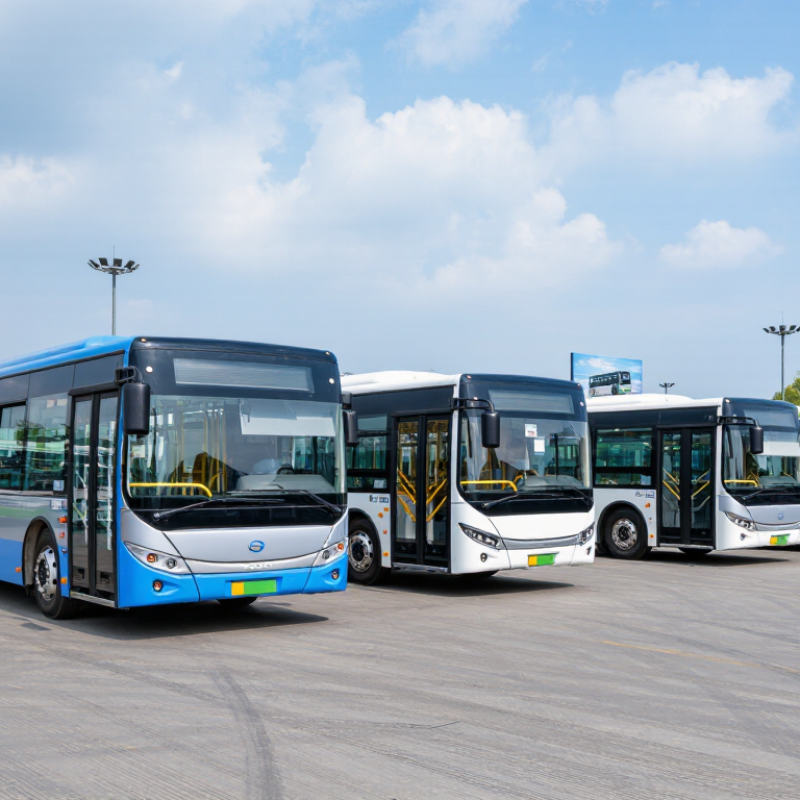
China’s used transit-bus market includes diesel, natural-gas, hybrid, and battery-electric vehicles. Buyers can also find compact city shuttles, standard low-floor single-deck buses, and articulated buses for busy routes. Double-deckers exist, but they are less common in many city fleets.
The Ministry of Transport’s 2023 statistical bulletin recorded roughly 700,000 urban public buses and trolleybuses in operation nationwide. That large fleet means vehicles can differ sharply in age, route history, and maintenance quality. The IEA’s Global EV Outlook 2024 also identifies China as the leading market for electric buses. Battery-electric models may suit depot-based routes, but check battery health records, charging compatibility, and winter-range performance. Numbers on paper are not enough.
Diesel and gas buses may be easier to assess when service records are complete. Inspect the floor edges, wheel arches, suspension, and HVAC system; corrosion can hide beneath a fresh coat of paint. For electric buses, request a battery-health report and test the heating and cooling under load. Small details matter. A low-floor layout helps frequent boarding, while an articulated body needs suitable turning space and depot access. Some listings have incomplete histories. That is a real limitation, not a minor paperwork issue. Verify seating capacity, axle condition, and parts availability before comparing prices.
Used transit buses in China can be sourced through municipal fleet auctions, commercial-vehicle dealers, and operators selling retired fleet vehicles. Common types range from compact minibuses to articulated buses.
Typical bus types by representative length
Lengths are indicative vehicle-class examples, not specifications for every used bus. Actual dimensions vary by model and configuration; verify the vehicle documents and physical dimensions before purchase.
Where to Buy Used Transit Buses in China?
Where to Find Used Transit Buses for Sale
Used transit buses in China can be found through commercial vehicle marketplaces, fleet operators, auction platforms, and specialist vehicle exporters. Start by comparing several listings rather than relying on one seller’s description. Check the bus’s age, mileage, seating layout, fuel type, and maintenance history. Ask whether it worked on city routes, where frequent stops can increase wear on brakes and doors. Availability changes quickly, so confirm that the vehicle is still in stock before arranging an inspection.
A seller’s photos are useful, but they cannot show everything. Request close-ups of the chassis, tires, passenger floor, and engine area. Ask for service records, inspection reports, and clear images of the vehicle identification details. If possible, have an independent technician inspect the bus in person. Check that its configuration suits your routes, including door placement, standing space, and accessibility features. Shipping arrangements and export documents should also be confirmed with the seller and a qualified freight provider. Details can get missed.
Tips: Start with evidence. Ask for close-ups. Compare the records with the bus itself, and verify the seller’s business details before paying a deposit. If a listing lacks key information, pause and request it in writing. A low price may be appealing, but repairs, transport, and parts availability can change the real cost.
| Buying Channel | Where to Look | Typical Listings | What to Verify | Best Suited For |
|---|---|---|---|---|
| Public asset and equipment auctions | Public auction notices and state-owned asset disposal information in the relevant city or province | Retired city buses, minibuses, and vehicles sold individually or in lots | Sale conditions, deposit and payment deadlines, inspection access, vehicle documents, and whether the bus is sold as-is | Buyers able to inspect vehicles in person and manage auction procedures |
| Transit operator fleet disposals | Contact the procurement, asset-management, or fleet-disposal department of local public transport operators | Vehicles removed from service during fleet renewal; availability and sale method vary by operator | Ownership records, deregistration or transfer requirements, maintenance history, mileage records, and battery condition for electric buses | Buyers seeking vehicles with an identifiable operating history |
| Commercial vehicle marketplaces | Online used commercial-vehicle listing platforms and local vehicle markets across China | Diesel, hybrid, and electric buses offered by dealers or individual sellers | Seller identity, registration documents, accident or repair history, actual vehicle location, and an independent mechanical inspection | Buyers comparing multiple listings before arranging an inspection |
| Specialist used-bus dealers | Commercial-vehicle sales districts and used-bus trading areas in major transport hubs and provincial capitals | City buses, coaches, and other passenger vehicles; stock depends on local supply | Dealer authority to sell, title status, inspection report, refurbishment details, and written warranty terms if offered | Buyers who want help coordinating inspection, paperwork, or transport |
| Municipal and regional tender notices | Government procurement and public-resource transaction notice portals for the city or province | Disposal tenders or auction announcements for public-sector vehicles | Eligibility rules, bidding schedule, required documents, lot details, and the stated vehicle inspection arrangements | Organizations that can meet formal bidding and documentation requirements |
| Regional search areas | Large urban transit markets such as Beijing, Shanghai, Guangzhou, Shenzhen, Chengdu, and Hangzhou | Potential leads from local operators, auctions, dealers, and commercial-vehicle listings; no current inventory is implied | Confirm the bus is physically available, can be legally transferred, and meets the intended route, emissions, and registration requirements | Buyers willing to search several cities and compare local supply |
Buyer note: Used-bus availability changes frequently. Before paying a deposit, verify the seller and ownership documents, inspect the bus in person or through an independent inspector, and confirm transfer, registration, emissions, and road-use requirements with the relevant local authorities.
A used transit bus listing is a starting point, not proof of condition. Compare the chassis number, year, mileage, seating layout, and stated maintenance history. Ask the dealer for dated service records and clear photos of the engine bay, undercarriage, tires, and passenger area. Photos are clues. Look for uneven tire wear, corrosion around steps, cracked seats, and fresh paint hiding repairs. A neat exterior does not guarantee a sound vehicle.
Tips: Ask whether the bus can be inspected by an independent technician before payment. Confirm that the vehicle details match its documents. Request a cold start and a road test, if available. Listen for smoke, warning lights, air leaks, and unusual braking noise. Note any answer the dealer cannot verify, and get key claims in writing.
A reliable dealer should explain what is known, what is uncertain, and why the bus is being sold. Check how inspection access, delivery, and after-sale support are handled. Compare several listings with similar age and mileage; a much lower price may reflect repairs or missing records. Do not rely on a single rating or polished video. I would also avoid treating low mileage as decisive: stop-start city routes can wear brakes and doors heavily. Some details may remain unclear, so leave room in your budget for an independent inspection and early repairs.
A used transit bus can look clean and still carry expensive faults. Before buying, ask for its year, mileage, engine hours, maintenance records, and previous duty cycle. These details matter because stop-and-go city routes place different demands on brakes, transmission, and cooling systems than suburban service. The Federal Transit Administration’s Transit Asset Management guidance uses 12 years as the useful-life benchmark for a standard bus. Treat that as a reference, not a verdict; climate and maintenance can change a vehicle’s condition considerably.
Look closely.
Inspect the bus in daylight, then request a cold start. Check for frame rust around suspension mounts, uneven tire wear, fluid leaks, warning lights, and slow air-pressure buildup. Test the wheelchair lift or ramp, door sensors, HVAC, and every seat belt. Ask a qualified heavy-vehicle mechanic to scan diagnostic codes and assess the engine, transmission, brakes, and underbody. Compare the odometer with service invoices and vehicle records; gaps deserve clear answers. A fresh paint job proves little. I would also budget for repairs, even after a convincing inspection, because no short test drive reveals every fault.
Buying a used transit bus in China is only part of the job; payment and export planning need equal attention. Before paying a deposit, request the chassis number, maintenance records, current photos, and a written inspection report. Match the seller’s legal name on the contract, invoice, and receiving bank account. Keep it documented. A staged payment can reduce risk: agree on a deposit, an inspection milestone, and a final balance before loading. Define each milestone in writing.
Confirm the bus’s dimensions, running condition, and loading method with the freight forwarder. A non-running bus may need special equipment, which can change the cost and schedule. Ask for a full shipping quotation covering inland transport, port charges, ocean freight, and cargo insurance. Check the estimated departure and arrival dates, too. Delays happen.
Before shipment, ask the exporter and customs broker which documents apply to the destination country. Common paperwork may include a commercial invoice, bill of lading, and export or ownership records; requirements vary. Check names, chassis numbers, and values across every document. Small mismatches can hold up clearance. I would not assume a document list from an earlier shipment still applies. Have the broker confirm current requirements before the bus leaves China.
Ask for its year, mileage, engine hours, maintenance records, and previous duty cycle. City stop-and-go routes can strain brakes, transmission, and cooling systems.
No. Twelve years is a useful-life benchmark for a standard bus, not a final verdict. Climate and maintenance can change its condition considerably.
Check the frame near suspension mounts, tires, fluid leaks, warning lights, and air-pressure buildup. Inspect in daylight, then request a cold start. Look closely.
Test the wheelchair lift or ramp, door sensors, HVAC, and every seat belt. A clean interior does not prove the systems work.
Yes. Ask a qualified heavy-vehicle mechanic to scan diagnostic codes and inspect the engine, transmission, brakes, and underbody. A short drive can miss faults.
Match the seller’s legal name across the contract, invoice, and receiving bank account. Set deposit, inspection, and final-payment milestones in writing. Keep it documented.
Confirm dimensions, running condition, loading method, and the full quotation. Include inland transport, port charges, ocean freight, and cargo insurance. Delays happen.
Common documents include a commercial invoice, bill of lading, and export or ownership records. Requirements vary by destination, so have a broker confirm them before shipment.
Compare the chassis number, names, and values across records and shipping documents. Small mismatches can delay clearance. I would still double-check; paperwork is easy to underestimate.
Buying a Used Transit Bus in China requires careful planning, from choosing a vehicle type to confirming how it will be delivered. Available options may include city buses, shuttle buses, and other passenger models, with differences in seating capacity, condition, age, and intended use. Buyers can look through vehicle marketplaces, contact bus dealers, or explore suppliers that specialize in pre-owned commercial vehicles. Comparing several sources can help clarify typical prices and available configurations.
Before making a decision, assess each dealer’s reputation and review vehicle listings closely. Check maintenance records, mileage, service history, interior and exterior condition, and the operation of key systems; arrange an in-person inspection or an independent assessment when possible. Confirm the sale terms and payment schedule in writing, then plan transport and verify that all required export and shipping documents are complete and consistent. A clear process helps reduce surprises and ensures the bus is suitable for its intended use.